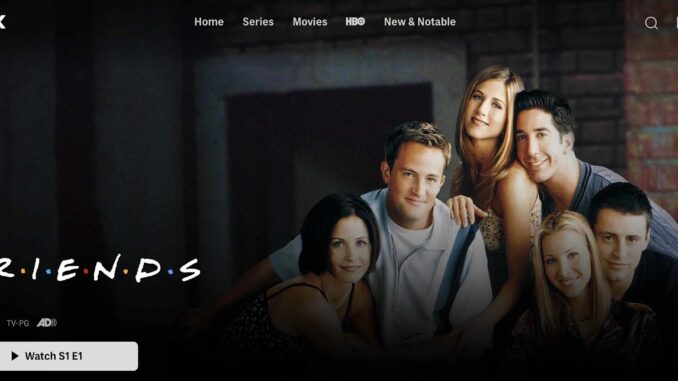
Television history is filled with successful shows that captured public attention for a few years before gradually fading into nostalgia. New generations moved on, viewing habits changed, and once-dominant series became little more than fond memories for longtime fans.
Friends was supposed to follow that path.
After all, the sitcom ended its original run in 2004. More than twenty years have passed since Rachel stepped off the plane, Monica and Chandler moved into their new home, and the famous apartment keys were left on the counter for the final time. Yet despite the passing decades, Friends continues achieving something extraordinary: it remains one of the most influential and commercially successful television franchises in the world.
In 2026, the series is still attracting millions of viewers, generating endless online discussions, and introducing new audiences to Ross, Rachel, Monica, Chandler, Joey, and Phoebe. Even more remarkably, Friends continues competing with—and often outperforming—many modern television productions.
So what explains this unprecedented staying power? How has a sitcom from the 1990s remained one of the most recognizable entertainment brands on the planet? The answer goes far beyond nostalgia.
Friends Has Evolved From A Sitcom Into A Global Brand

Most television shows exist primarily as entertainment products. Friends has grown into something much larger.
Over the years, the sitcom has transformed into a global cultural brand that extends far beyond its original episodes. The recognizable logo, the iconic fountain, Central Perk, and the six main characters have become symbols that audiences instantly identify regardless of where they live.
This level of recognition is incredibly rare. Many successful series are remembered by fans, but few achieve the kind of worldwide familiarity that Friends enjoys. Even people who have never watched an entire episode often recognize the characters, famous quotes, and signature moments from the show.
The strength of the brand has allowed Friends to remain visible across multiple generations. Whether through merchandise, social media content, streaming services, or entertainment news, the series continues appearing in everyday culture.
As a result, Friends has avoided the fate that often affects older television programs. Instead of becoming a relic of a specific era, it has evolved into a permanent part of popular culture.
Streaming Platforms Continue To Treat Friends As A Premium Asset
One of the clearest signs of Friends’ enduring power is the way streaming platforms continue investing heavily in the series.
In the modern entertainment landscape, content is currency. Streaming services compete aggressively for programs capable of attracting subscribers and encouraging long-term engagement. Friends remains one of the few sitcoms that consistently delivers both.
Years after its finale, the show continues ranking among the most-watched library titles on major streaming platforms. Viewers regularly binge entire seasons, revisit favorite episodes, and introduce the series to family members and friends.
This sustained demand explains why Friends continues commanding significant licensing value. Platforms recognize that the sitcom offers something increasingly valuable: reliability. Audiences know exactly what they are getting, and many return repeatedly.
Unlike newer shows that may experience brief spikes in popularity before fading, Friends has demonstrated an extraordinary ability to maintain audience interest year after year. That consistency makes it one of television’s most dependable assets.
The Characters Have Become Cultural Icons

Television franchises rarely survive for decades unless audiences form lasting connections with the characters.
Friends succeeded in creating six personalities that remain remarkably relevant despite changing cultural trends.
Rachel Green became one of television’s most influential fashion icons. Monica Geller’s competitiveness, Ross Geller’s awkwardness, Chandler Bing’s sarcasm, Joey Tribbiani’s charm, and Phoebe Buffay’s eccentric personality continue inspiring discussions online.
Each character appeals to different viewers for different reasons. This diversity of personalities helps explain why new audiences continue finding favorites among the group.
Social media has amplified this phenomenon. Character-focused clips, quotes, memes, and compilations circulate constantly, introducing the cast to people who may never have watched the full series.
As a result, Ross, Rachel, Monica, Chandler, Joey, and Phoebe have transcended their original roles as sitcom characters. They have become cultural icons whose influence extends far beyond the show itself.
Friends Continues Connecting Multiple Generations
One of the most impressive aspects of Friends’ success is its ability to unite viewers from different age groups.
Parents who watched the series during its original run now share it with their children. College students discover it through streaming platforms. Young adults encounter clips on TikTok and eventually become dedicated fans.
This multi-generational appeal is a powerful advantage.
Many television shows are closely tied to the era in which they were produced. While they may remain beloved by original viewers, they often struggle to attract younger audiences. Friends has largely avoided this challenge because its central themes remain universal.
Friendship, love, career struggles, personal growth, and finding one’s place in the world are experiences that resonate regardless of age. While technology and cultural references may evolve, the emotional core of the series remains accessible.
That universality allows Friends to continually refresh its audience while retaining longtime fans.
The Franchise Thrives In The Social Media Era
At first glance, a sitcom that premiered in 1994 might seem poorly suited to modern social media culture.
The opposite has proven true.
Many of Friends’ funniest moments work perfectly in short-form content formats. A sarcastic Chandler response, an awkward Ross reaction, or one of Phoebe’s unexpected observations can be understood and enjoyed within seconds.
This adaptability has helped Friends thrive on platforms like TikTok, YouTube Shorts, Instagram Reels, and Facebook videos. Individual scenes frequently go viral, reaching audiences who may have little familiarity with the broader series.
These clips act as constant reminders of the show’s humor and appeal. Every viral moment creates opportunities for rediscovery, helping Friends remain visible in an increasingly crowded entertainment environment.
In many ways, social media has given the franchise a second life. Rather than relying solely on nostalgia, Friends actively participates in contemporary digital culture.
Why Modern Sitcoms Still Struggle To Match Friends’ Impact

Every year brings new sitcoms hoping to become the next cultural phenomenon. Some achieve temporary success, while others disappear almost immediately.
Very few approach the level of influence that Friends continues maintaining.
Part of the difference lies in timing. Friends emerged during a period when network television commanded enormous audiences, allowing the series to become a shared cultural experience. Millions of viewers watched the same episodes and discussed them together.
However, timing alone does not explain the franchise’s longevity.
The show’s combination of memorable characters, strong writing, emotional storytelling, and universal themes created a foundation capable of surviving long after its original broadcast. New sitcoms may excel in one or two of these areas, but replicating the complete formula has proven extraordinarily difficult.
As a result, Friends continues serving as a benchmark against which many modern comedies are measured.
More than two decades after its finale, Friends remains one of the most remarkable success stories in television history. What began as a sitcom about six young adults navigating life in New York has evolved into a global franchise that continues influencing popular culture in 2026.
Its success cannot be attributed solely to nostalgia. Streaming platforms continue investing in the series because audiences still watch it. Social media keeps introducing it to new viewers. The characters remain instantly recognizable around the world, and the themes continue resonating across generations.
Perhaps most importantly, Friends offers something timeless. While trends change and new shows emerge every year, the desire for connection, friendship, laughter, and emotional comfort remains constant. The series understands those universal experiences better than almost any sitcom that followed.
That is why Friends continues thriving when so many other shows have faded away. It is not simply surviving on past success—it is actively building new audiences and maintaining cultural relevance.
In 2026, Friends is no longer just one of television’s greatest sitcoms. It has become one of television’s most powerful franchises, and its influence shows no signs of disappearing anytime soon.