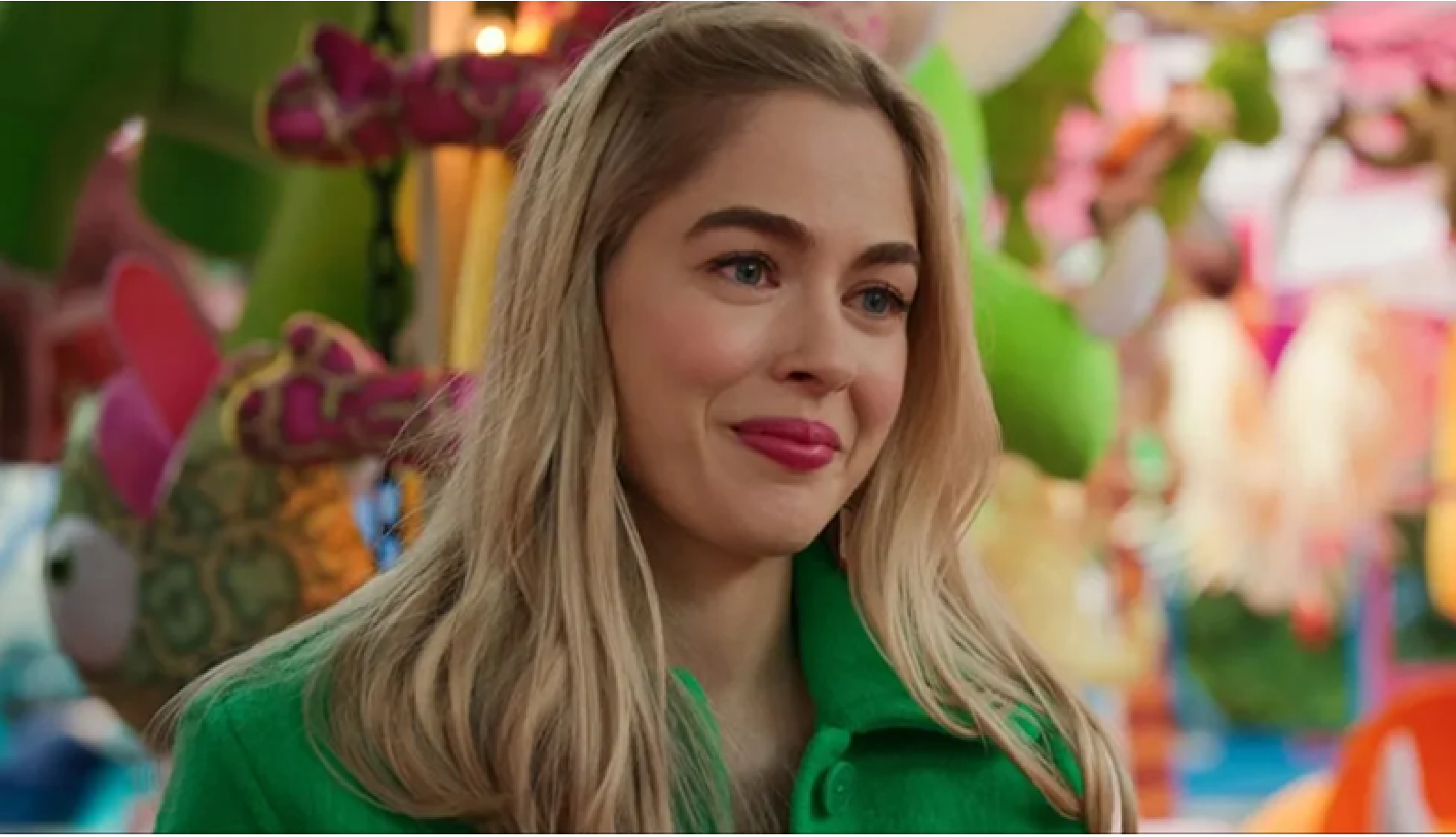
Unbelievable Sacrifice In Virgin River Leaves Devastated Fans Speechless and In Tears!
Few television dramas have the ability to make audiences feel as deeply connected to their characters as Virgin River. Beneath its breathtaking mountain scenery, peaceful riverbanks, and charming small-town atmosphere lies a world filled with heartbreaking decisions, unexpected challenges, and sacrifices that can change lives forever. From Mel Monroe’s painful journey through grief to Jack Sheridan’s determination to protect the people he loves, the series has repeatedly demonstrated that happiness rarely comes without a price. Yet what happens when loving someone means making a decision that could destroy your own dreams? What happens when a character must choose between protecting the future they have always wanted and doing what is best for someone who depends on them? These are the questions that make the possibility of an extraordinary sacrifice in Virgin River so emotionally powerful. Imagine a moment when the entire town falls silent, when a familiar face struggles to hold back tears, and when a decision made out of love changes the lives of everyone involved. It would not simply be another dramatic twist. It could become one of those unforgettable moments that reminds viewers why they have remained invested in these characters through years of heartbreak and hope. Although no particular new sacrifice should be treated as an officially confirmed storyline without supporting announcements, the emotional possibilities are enormous, especially as Mel and Jack begin navigating the complicated realities of parenthood. After enduring so much uncertainty, the couple finally appeared to be moving toward the peaceful family life they had dreamed of. Their wedding represented a hard-won victory, while the arrival of their adopted baby boy opened the door to a new chapter filled with hope. But their happiness comes with serious responsibilities. Their son has a heart condition requiring specialized medical attention, creating a situation in which love alone cannot guarantee an easy outcome. Suddenly, the future they imagined must be balanced against difficult medical decisions, emotional exhaustion, and the possibility that circumstances may not unfold as they hoped. For Mel, the experience could become one of the most challenging tests of her life. As a nurse, she has spent years helping patients through frightening diagnoses and supporting families during moments of uncertainty. She understands the importance of medical care, the value of patience, and the necessity of making difficult choices when every option carries risks. Yet being a medical professional does not make her immune to fear when the patient is her own child. Every appointment could bring new questions, and every unexpected development could remind her that she cannot control everything that happens to the people she loves. Her greatest sacrifice might not involve giving up something tangible. It could be the painful decision to acknowledge her own vulnerability instead of pretending that she can handle every challenge alone. Mel has spent much of her life trying to recover from loss, and the possibility of another devastating experience could awaken fears she thought she had learned to manage. She might feel compelled to remain strong for Jack, believing that he needs her confidence when the future becomes uncertain. But beneath that determination, she could be struggling with questions she is afraid to voice. What if she cannot protect her family from every possible danger? What if the dream she has fought so hard to achieve requires more patience and courage than she ever imagined? And what if being a good mother means accepting that some decisions must be made without any guarantee that everything will turn out well? These questions could place Mel at the center of an emotionally devastating storyline, one that challenges her understanding of strength and forces her to reconsider what sacrifice truly means. Meanwhile, Jack Sheridan could find himself facing a different kind of impossible choice. Throughout the series, Jack has often been the person others turn to when trouble arrives. His loyalty, determination, and instinct to protect his loved ones have made him a dependable presence in Virgin River, but those same qualities can also make it difficult for him to admit when he needs help. As he adjusts to fatherhood, he may begin to feel that every problem is his responsibility to solve. He wants to support Mel, protect their son, and ensure that their family has a stable future. Yet the more he tries to carry those responsibilities alone, the greater the risk that his own fears will remain hidden until they become impossible to ignore. Imagine Jack discovering that helping his family through a difficult medical situation requires him to put aside a personal ambition or make a major change to the life he has carefully built. He might have to reconsider his responsibilities at the bar, postpone plans for their farm, or accept that the future he imagined will need to look different from the one he originally promised Mel. Such a sacrifice would not necessarily involve a dramatic farewell or a permanent loss. It could be a quieter decision to place his family’s immediate needs above his own expectations, even when doing so leaves him exhausted and uncertain. The emotional impact would come from watching Jack struggle with the knowledge that doing the right thing does not always feel rewarding in the moment. Sometimes, the most loving decision is also the one that hurts the person making it. However, the most heartbreaking possibility would arise if Mel and Jack found themselves making sacrifices in different ways, each believing they were protecting the other. Mel might conceal the depth of her anxiety because she does not want Jack to worry, while Jack could hide his exhaustion because he believes she already has too much to manage. Both would be acting out of love, but their silence could create an emotional distance neither intended. They might begin making decisions without fully explaining their reasons, assuming that protecting one another means carrying their burdens privately. Eventually, a moment of honesty could reveal just how much each has been giving up in an attempt to keep the family together. The resulting confrontation could be heartbreaking precisely because neither person is the villain. They are two people who love one another deeply but are struggling to understand that sacrifice loses some of its meaning when it prevents honest communication. A powerful scene might show Mel finally admitting that she is frightened, not because she doubts Jack’s commitment but because she cannot bear the thought of losing another person she loves. Jack could respond by revealing that his own confidence has been hiding a similar fear. For the first time, both would recognize that they have been trying to protect each other from emotions they need to face together. Such a moment could transform their relationship, demonstrating that real strength does not always mean enduring pain in silence. Sometimes, it means allowing another person to see the parts of you that are frightened, uncertain, and desperately in need of reassurance. Yet the potential for sacrifice extends far beyond Mel and Jack. One of the defining qualities of Virgin River is the way its residents repeatedly step into one another’s lives when circumstances become overwhelming. The town’s relationships often blur the boundaries between friendship and family, creating a community where one person’s crisis can become everyone’s concern. Doc Mullins and Hope McCrea understand this responsibility better than most. After years of navigating their own relationship challenges, they have learned that caring for someone often requires patience, humility, and the willingness to make difficult decisions without knowing whether those decisions will be appreciated. If another resident faced an emergency, Doc might have to balance his professional responsibilities against the emotional needs of someone he considers family. His medical expertise could help him recognize the seriousness of the situation, but it would not necessarily tell him how to respond when every available option carried emotional consequences. Hope, meanwhile, might find herself organizing support for a struggling family while quietly confronting her own fears about the limits of what she can do. Her instinct would likely be to take action, contact friends, and make sure nobody feels abandoned. Yet even Hope could discover that there are moments when the greatest sacrifice is accepting that she cannot fix everything for everyone. For someone who has always valued independence and determination, admitting those limits could be profoundly difficult. Still, her willingness to remain present could make an enormous difference to someone who feels as though their world is falling apart. The series could also explore sacrifice through the experiences of Preacher, whose loyalty to the people around him has often placed him in complicated situations. His desire to protect his friends can lead him to accept responsibilities that others might avoid, sometimes at considerable personal cost. If a new crisis threatened someone he cared about, he could find himself choosing between maintaining the stability he has worked hard to build and stepping into another difficult situation because he cannot bear the thought of leaving someone without help. Such a decision could place his future, his relationships, and his own emotional well-being at risk. Yet the most compelling version of this storyline would not portray sacrifice as an endless obligation to put everyone else first. Instead, it could challenge Preacher to recognize that loyalty must include a responsibility to himself. There is a difference between helping someone through a crisis and believing that their entire future depends on your willingness to suffer. That distinction would allow the story to examine the complicated relationship between generosity, guilt, and personal boundaries. Sometimes, the person making the greatest sacrifice is not the one who gives up everything. It is the one who finally learns to offer help without losing sight of their own needs. Another emotional dimension could emerge through Lizzie and Denny, whose relationship represents the challenges faced by a younger generation trying to build a future while navigating uncertainty. Their hopes for a family and a stable life could be affected by the difficulties unfolding around them, forcing them to reconsider what they are willing to give up for the people they love. A crisis involving friends or family might inspire them to make a difficult choice of their own, perhaps postponing a personal plan to support someone who desperately needs them. Such a decision could reveal how much they have matured and how differently they now understand responsibility. However, it could also raise uncomfortable questions about whether love should require someone to abandon their own dreams. If one partner repeatedly sacrifices personal ambitions while the other remains unaware of the emotional cost, resentment could quietly develop. Through their experience, Virgin River could explore an important lesson that applies to relationships at every stage of life: a sacrifice is not automatically healthy simply because it is made for someone you love. The reasons behind the decision matter, as do the expectations and consequences that follow. The most meaningful acts of generosity allow relationships to grow rather than creating an invisible debt that one person eventually feels compelled to repay. This theme could connect several storylines, showing that the residents of Virgin River are all learning different versions of the same lesson. Some must learn to ask for help, others must discover how to accept help without feeling ashamed, and still others must recognize when their desire to protect someone has become a reason to avoid the truth. These emotional conflicts would provide the foundation for a powerful season of storytelling, especially if the consequences of one character’s decision spread throughout the community. Imagine a situation in which a resident makes an unexpected choice to help another family, setting off a chain of events that forces several people to reconsider their priorities. A friend might give up a long-awaited opportunity to remain close to someone in need. A family member could reveal a painful truth to prevent a loved one from making a decision based on incomplete information. A couple might decide to postpone an important milestone because another responsibility has suddenly become more urgent. None of these choices would necessarily produce an immediate reward, but each could reveal something essential about the people making them. In a town where relationships are deeply interconnected, the consequences could continue long after the initial crisis has passed. Some characters might feel grateful, while others could feel guilty that someone they love had to suffer on their behalf. Misunderstandings might develop when the person making the sacrifice refuses to explain what it cost them. The resulting drama would come not from a single shocking event but from the complicated emotions that follow when people attempt to do the right thing under difficult circumstances. The setting could make these moments even more memorable. Virgin River’s peaceful landscape often creates the impression that life moves at a gentler pace, but the beauty of the surroundings cannot protect its residents from painful realities. A quiet evening at Jack’s bar, a tense conversation outside Doc’s clinic, or a moment beside the river could become the setting for a life-changing decision. Picture Jack standing alone after a difficult appointment, looking toward the mountains as he tries to understand how to protect his family without losing himself in the process. Imagine Mel sitting beside him, recognizing that his silence is not a sign of indifference but an indication that he is struggling to find the right words. Their conversation might begin with a simple question and gradually reveal the fears neither has been willing to acknowledge. There would be no need for dramatic declarations or elaborate speeches. A quiet admission that they are frightened, followed by a promise to face the uncertainty together, could become more powerful than any grand gesture. Similarly, a scene involving Doc and Hope might show that even people who have spent decades caring for others still need reassurance when the future becomes uncertain. A familiar friend could arrive with a meal, offer practical assistance, or simply remain nearby when conversation feels impossible. These ordinary acts of kindness could communicate the emotional heart of the series: people cannot always prevent suffering, but they can choose whether someone must face it alone. Of course, the phrase unbelievable sacrifice naturally raises a question that fans would want answered: who will be forced to make the most difficult decision, and what will that decision cost? At this stage, there is no confirmed information establishing that a particular character will make a devastating sacrifice in an upcoming episode. Any suggestion that Mel, Jack, Doc, Preacher, or another beloved resident will suffer a specific fate should therefore be treated as speculation rather than fact. Nevertheless, the strongest possible storyline would connect the sacrifice directly to a character’s deepest hopes and fears. For Mel, that might mean accepting that she cannot control every aspect of her family’s future. For Jack, it could involve redefining what it means to be a protector. For Doc and Hope, it might mean learning to support the next generation without taking responsibility for every decision it makes. For Preacher, it could involve understanding that helping others does not require sacrificing his own chance at happiness. Each possibility would challenge a familiar strength and reveal the vulnerability hidden beneath it. That is what would make the story emotionally meaningful rather than merely sensational. A character who gives something up should not emerge unchanged, and the consequences should be allowed to influence future decisions. If Jack sacrifices a professional opportunity for his family, for example, the story should explore both the love behind his choice and the disappointment he may struggle to admit. If Mel puts aside her own fears to support someone else, the narrative should also recognize the importance of ensuring that she receives support in return. If a friend risks a relationship to reveal a painful truth, the emotional aftermath should acknowledge that honesty can be necessary even when it creates temporary conflict. In each case, the sacrifice would become an opportunity for growth rather than a simple device for making audiences cry. Ultimately, the most devastating sacrifice in Virgin River might not involve a character losing their life, leaving town, or giving up everything they have ever wanted. It could involve something quieter but equally difficult: letting go of the belief that love means being able to protect everyone from pain. Mel and Jack may discover that becoming parents requires them to accept uncertainty rather than fight against it at every turn. Doc and Hope may learn that supporting their community sometimes means allowing others to make their own choices. Preacher and his friends may realize that loyalty is strongest when it is accompanied by honesty and healthy boundaries. These lessons would not eliminate the possibility of heartbreak, but they could give the characters a more meaningful way to face it. And that is why a storyline centered on an extraordinary act of sacrifice could leave fans deeply moved. It would remind viewers that the people who matter most are not always able to give us the outcomes we want, even when they are doing everything they can. Sometimes, love appears in the form of a difficult decision, an uncomfortable truth, or the willingness to remain beside someone when there is no easy solution. The true measure of a sacrifice is not simply how much a person gives up, but whether that choice helps create a future in which everyone involved can continue to grow. If Virgin River embraces that idea in its next chapter, the result could be an emotionally powerful story that resonates long after the final scene. The town’s residents would face painful choices, difficult conversations, and moments when hope seems dangerously fragile. Yet they would also have the opportunity to discover that compassion can survive disappointment and that genuine connection does not require perfection. For Mel and Jack, the greatest test may be learning that their family does not need them to be fearless. It needs them to be honest, present, and willing to face uncertainty together. For the wider community, the challenge would be to demonstrate that friendship is more than a comforting promise made during happy times. It is the decision to show up when life becomes complicated, to offer help without demanding repayment, and to recognize that even the strongest people sometimes need someone to hold them up. Perhaps that is the unbelievable sacrifice that would leave Virgin River fans speechless and in tears: not a shocking act of destruction, but a deeply human choice that reveals just how much one person is willing to do for another. And when the dust finally settles, the most important question may not be what was lost, but what the characters discover about love, responsibility, and the extraordinary power of standing together when everything seems uncertain.