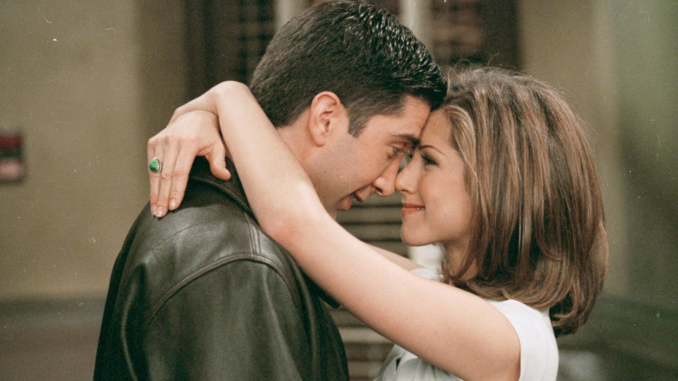
For ten seasons, the volatile “will-they-won’t-they” dynamic between Ross Geller and Rachel Green served as the emotional backbone of Friends. Audiences around the world wept, cheered, and held their breath through every breakup, makeup, and airport chase, crowning them as the definitive pop-culture romance of the 1990s. We were conditioned to root for the nerdy paleontologist and the spoiled fashionista, believing their love was written in the stars. However, looking at their relationship through a modern psychological lens reveals a deeply unsettling reality that we blindly ignored for years. Stripped of the cheerful laugh tracks and nostalgic charm, the bond between Ross and Rachel was plagued by toxic jealousy, emotional manipulation, and a severe lack of communication. It is time to stop romanticizing a cycle of behavior that would trigger red flags in any healthy relationship today, and expose the disturbing truth behind TV’s most celebrated couple.
The Illusion of Idealized Love and Suffocating Jealousy
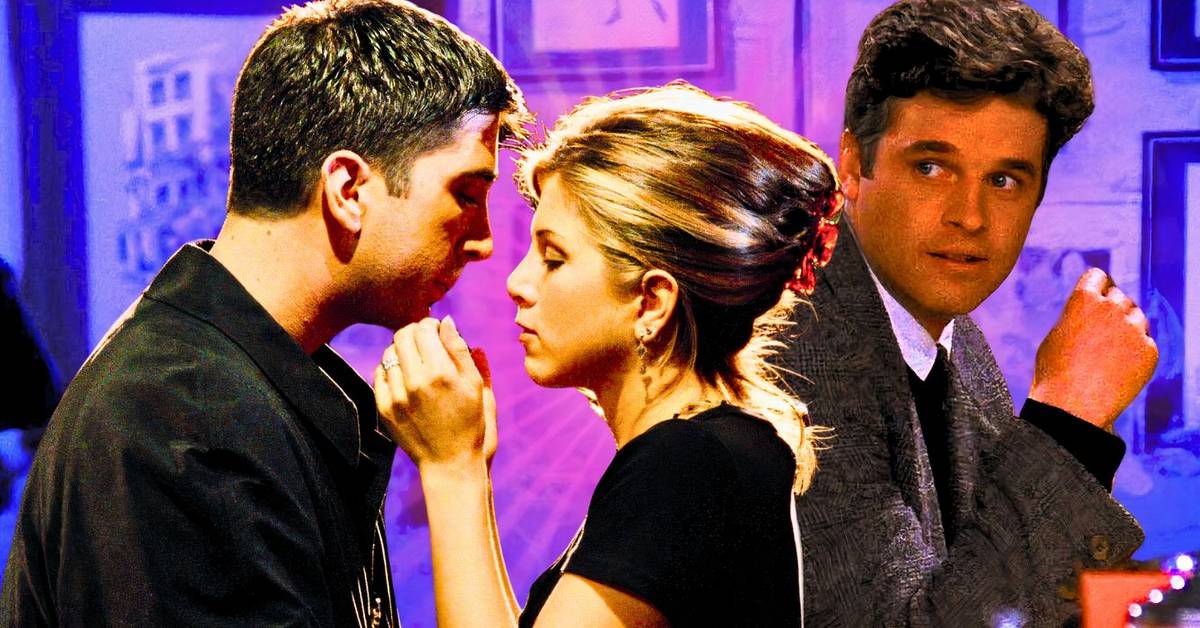
The root of the toxicity in Ross and Rachel’s relationship lies in their deep-seated insecurities and inability to grow together. From the very beginning, Ross did not love the real Rachel; he loved an idealized, flawless image of the high school popular girl he had worshipped from afar for decades. When they finally started dating, Ross’s deep insecurity manifested as suffocating, possessive jealousy. This became painfully evident when Rachel finally landed her dream job in the fashion industry at Bloomingdale’s. Instead of celebrating her independence and professional growth, Ross viewed her career—and her handsome co-worker, Mark—as a direct threat to his ownership over her. He constantly crashed her workplace, sent overwhelming gifts to her office to mark his territory, and minimized the importance of her hard work. Ross wanted Rachel to remain the vulnerable girl who needed his protection, rather than an independent woman conquering her career.
The “We Were on a Break” Gaslighting Cycle

This toxic possessiveness reached its boiling point in the infamous “We were on a break” saga. After an argument sparked by Ross’s relentless jealousy, Rachel suggested taking a temporary pause to re-evaluate their relationship. Within mere hours of this discussion, Ross slept with Chloe, the girl from the copy place. While fans have debated the technicalities of whether they were technically “on a break” for thirty years, the psychological reality is clear: Ross’s actions were an act of emotional retaliation and a profound betrayal of trust. Instead of taking accountability for his destructive behavior, Ross spent the next seven seasons weaponizing the phrase “We were on a break” to deflect blame, gaslight Rachel, and avoid ever having to truly apologize for breaking her heart.
Emotional Sabotage and Co-dependency

Rachel, on the other hand, was far from an innocent victim in this emotional warfare. She frequently displayed highly manipulative and selfish tendencies whenever Ross attempted to move on with his life. Every time Ross found happiness or stability with another woman, Rachel would suddenly realize she still loved him and sabotage his relationship. She single-handedly convinced Bonnie to shave her head out of spite, flew across the Atlantic to disrupt Ross’s wedding to Emily in London, and later demanded that Ross give up his relationships to cater to her emotional whims. Rachel liked the idea of Ross being hopelessly devoted to her, treating him like a safety net she could pull out whenever her own life felt unfulfilled, only to discard him once the thrill of the chase wore off.
Their cycle of toxicity didn’t just affect them; it held their entire friend group hostage for a decade. Monica, Chandler, Joey, and Phoebe were constantly forced to choose sides, walk on eggshells, and listen to the same exhausting complaints year after year. Ross and Rachel used their friends as shields and weapons in their petty games, creating a fractured dynamic within the group. When they finally reunited in the series finale, with Rachel giving up her dream job in Paris just to be with Ross, it wasn’t a triumph of true love—it was the tragic conclusion of two codependent individuals sacrificing personal growth to lock themselves back into a familiar, destructive cycle.
In conclusion, while Ross and Rachel gave us unforgettable television moments, they should be viewed as a cautionary tale rather than relationship goals. True love is built on a foundation of mutual trust, emotional maturity, and unwavering support, all of which were tragically missing from their turbulent decade-long saga. Their constant emotional warfare drained not only themselves but also the tightly-knit circle of friends who were forced to constantly navigate their mess. By romanticizing their toxic patterns, pop culture has inadvertently normalized behaviors that cause genuine psychological harm in real life. While it is perfectly fine to enjoy the dramatic flair and undeniable onscreen chemistry of Jennifer Aniston and David Schwimmer, we must separate entertainment from reality. Ross and Rachel belonged together, not because they were a perfect match, but because their shared dysfunction ensured nobody else could ever endure them.