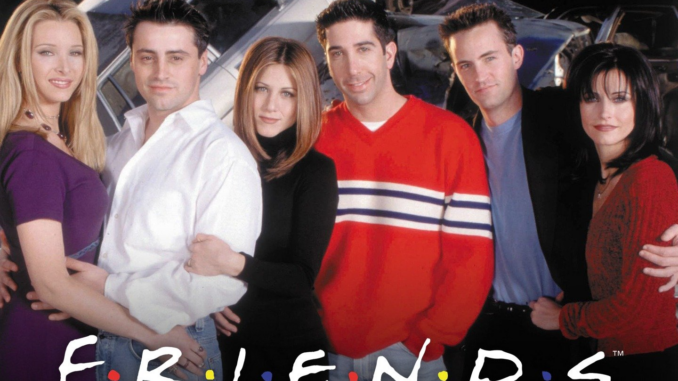
Few television shows achieve success.
Even fewer become cultural landmarks.
But Friends accomplished something extraordinary. Decades after its premiere, the sitcom remains one of the most watched, quoted, streamed, and beloved television series in the world. New generations continue discovering it. Longtime fans keep rewatching it. Streaming platforms compete for its rights. Social media is flooded with clips, memes, and nostalgic tributes.
Think about that for a moment.
The series premiered in the 1990s, yet it still feels relevant in 2026.
How is that possible?
What secret ingredient allows six fictional friends from New York City to connect with viewers from Tokyo to London, from Paris to São Paulo, and from Hanoi to Los Angeles?
The answer isn’t a single factor.
It’s a combination of relatable storytelling, unforgettable characters, timeless humor, emotional authenticity, and a unique ability to make audiences feel at home.
Let’s explore the real reasons why Friends remains one of the most successful television shows ever created.
The Magic Started With Relatable Characters

Why Viewers Saw Themselves in the Characters
Most sitcoms feature funny characters.
Friends featured recognizable people.
Viewers could see pieces of themselves in Rachel, Ross, Monica, Chandler, Joey, and Phoebe.
Were you ambitious but occasionally lost?
You might relate to Rachel.
Awkward and overthinking everything?
Ross probably felt familiar.
Sarcastic and funny?
That’s Chandler.
The beauty of the show was simple: everyone found someone to connect with.
Each Character Represented a Different Personality
The writers created a perfect balance.
Every member of the group had strengths, flaws, dreams, insecurities, and personal growth.
They weren’t superheroes.
They were human.
And that’s exactly why audiences loved them.
Friendship Became the Heart of the Series
The Universal Language of Friendship
Friendship transcends borders.
It doesn’t matter what language you speak or where you live.
Everyone understands the importance of having people who support you.
That universal truth sits at the center of Friends.
The show wasn’t really about dating.
It wasn’t really about work.
It wasn’t even about New York City.
At its core, it was about belonging.
The Group Felt Like a Family
Many viewers describe the six friends as a second family.
That’s because they functioned like one.
They celebrated together.
They fought together.
They supported one another through heartbreak, failure, success, and uncertainty.
The audience wasn’t simply watching friendships.
They were experiencing them.
Humor That Crosses Generations
Simple Comedy Ages Better
Comedy often becomes outdated.
References fade.
Trends disappear.
Pop culture changes.
Yet much of Friends’ humor still works today because it focuses on human behavior rather than temporary trends.
Embarrassing dates.
Misunderstandings.
Sibling rivalries.
Workplace disasters.
These situations remain funny no matter the decade.
Physical Comedy Added Another Layer
The cast mastered physical comedy.
Whether it was Ross’s leather pants disaster, Chandler’s awkward movements, or Joey’s exaggerated reactions, many jokes worked even without dialogue.
That made the humor accessible worldwide.
The Cast Had Unmatched Chemistry

You Can’t Fake Genuine Connection
One of the biggest secrets behind Friends’ success was the chemistry among the cast members.
The six actors genuinely felt like friends.
Their conversations flowed naturally.
Their reactions felt authentic.
Their emotional scenes carried real weight.
Viewers sensed that connection immediately.
The Ensemble Was Perfectly Balanced
Most shows have one dominant star.
Friends didn’t.
Every character mattered.
Every actor contributed.
Every personality added something unique.
That balance created a dynamic that rarely exists in television.
The Show Mastered Comfort Viewing
People Return to What Makes Them Feel Good
Life can be stressful.
Work is demanding.
The world feels chaotic.
Sometimes people simply want comfort.
That’s where Friends shines.
Watching an episode feels like visiting familiar friends.
You know the jokes.
You know the outcomes.
Yet the experience remains enjoyable.
The Familiarity Creates Emotional Safety
Many fans describe Friends as their comfort show.
It’s like wrapping yourself in a favorite blanket.
Predictability becomes a strength rather than a weakness.
New York City Became a Character
The City Added Personality
The setting played a huge role in the show’s appeal.
New York City represented possibility.
Dreams.
Adventure.
Independence.
Even viewers who had never visited New York felt connected to its energy.
The Coffeehouse Concept Was Brilliant
Central Perk became one of television’s most iconic locations.
Why?
Because everyone wishes they had a place like that.
A comfortable space where friends gather every day.
It symbolized connection.
Romance Kept Audiences Invested
Ross and Rachel Changed Television
Few television relationships generated as much discussion as Ross and Rachel.
Their story became a global obsession.
Viewers debated every breakup, reunion, misunderstanding, and emotional moment.
Love Stories Added Emotional Depth
The romantic storylines gave audiences reasons to keep watching.
People wanted answers.
Would they end up together?
Would things finally work out?
That emotional investment increased loyalty.
The Writing Balanced Humor and Emotion
Funny One Minute, Heartfelt the Next
Great sitcoms make people laugh.
Exceptional sitcoms make people feel.
Friends achieved both.
One moment viewers were laughing.
The next they were emotional.
That balance created a richer experience.
The Emotional Moments Felt Earned
Nothing felt forced.
Character growth happened gradually.
Relationships evolved naturally.
As a result, emotional scenes resonated deeply.
Streaming Introduced Friends to New Generations
The Internet Created New Fans
Long after the series ended, streaming platforms introduced Friends to millions of younger viewers.
Many fans weren’t even born when the show originally aired.
Yet they connected with it instantly.
Binge-Watching Strengthened Engagement
Streaming transformed how people consumed television.
Instead of waiting a week for a new episode, audiences could watch entire seasons in days.
That intensified emotional connections.
Social Media Keeps the Show Alive
Memes Created a Second Life
Modern audiences communicate through memes and short videos.
Fortunately for Friends, the show provides endless material.
Funny reactions.
Iconic quotes.
Memorable scenes.
The content never stops circulating.
Every Generation Finds New Meaning
Different viewers connect with different themes.
Teenagers relate to uncertainty.
Young adults connect with career struggles.
Older viewers appreciate nostalgia.
The show evolves with its audience.
Nostalgia Plays a Powerful Role
People Miss Simpler Times
Many viewers associate Friends with happier periods in their lives.
Watching the show becomes a form of time travel.
It reminds them of childhood, college, or family memories.
Nostalgia Creates Emotional Loyalty
People don’t simply remember the show.
They remember how the show made them feel.
That’s a powerful distinction.
The Series Celebrates Imperfection
Nobody Was Perfect
The characters made mistakes constantly.
They failed.
They embarrassed themselves.
They struggled.
That imperfection made them relatable.
Authenticity Beats Perfection
Audiences connect with flawed people.
Perfect characters feel distant.
Realistic characters feel human.
Why Friends Continues to Win Over New Audiences

The Core Themes Never Change
Technology changes.
Fashion changes.
Culture changes.
But friendship, love, ambition, and personal growth remain universal.
Those themes ensure the show stays relevant.
Great Storytelling Never Goes Out of Style
At the end of the day, people love great stories.
And Friends tells them exceptionally well.
The Cultural Impact of Friends
It Influenced Television Forever
Countless sitcoms have attempted to replicate the formula.
Very few succeeded.
The show’s influence can still be seen throughout modern television.
Its Legacy Continues Growing
Most shows fade with time.
Friends continues expanding its audience.
That’s the hallmark of a true classic.
The secret behind Friends’ unmatched global popularity isn’t one magical ingredient. It’s the perfect combination of relatable characters, universal friendship, timeless humor, emotional storytelling, unforgettable chemistry, and themes that resonate across generations and cultures. While countless sitcoms have come and gone, Friends continues to feel fresh because it focuses on experiences every human understands: love, friendship, failure, success, and the search for belonging.
Like a favorite song that never gets old, Friends remains comforting, familiar, and endlessly enjoyable. Its ability to connect people from different countries, backgrounds, and generations is what truly makes it a global phenomenon. Decades after its debut, the series still proves that great storytelling—and great friendships—never go out of style.
FAQs
1. Why is Friends still popular after so many years?
The show combines relatable characters, timeless humor, and universal themes that continue connecting with audiences worldwide.
2. What makes Friends different from other sitcoms?
Its strong character chemistry, emotional storytelling, and focus on friendship help it stand apart from many other comedy series.
3. Which character is the most popular in Friends?
Popularity varies by audience, but Chandler Bing, Joey Tribbiani, Rachel Green, and Phoebe Buffay are often fan favorites.
4. Did streaming help Friends remain successful?
Yes. Streaming introduced the series to younger generations and made binge-watching easier than ever.
5. Will Friends continue attracting new fans in the future?
Very likely. The show’s universal themes and timeless storytelling make it accessible to audiences of all ages.
Stay tuned for more Friends news, cast updates, behind-the-scenes secrets, nostalgic throwbacks, and exclusive features celebrating one of television’s greatest sitcoms of all time.