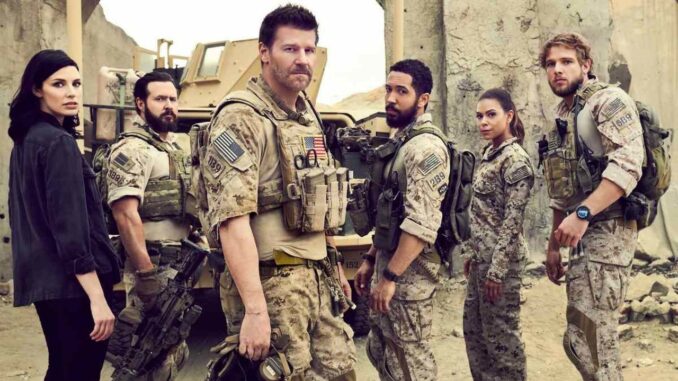
More than just a military action series, SEAL Team offers a realistic glimpse into the lives of special forces soldiers undertaking top-secret missions around the world. Behind every successful operation are life-or-death decisions, undisclosed secrets, and the high price each member of Bravo Team pays for their loyalty to their comrades, their mission, and their country.
The combination of intense combat sequences and psychological depth has made SEAL Team one of the most highly regarded military series in recent years.
Operations leave no room for error. From hostage rescue and counter-terrorism to dismantling extremist organizations and apprehending dangerous individuals, Bravo Team is always assigned missions where even a small mistake can lead to catastrophic consequences.
The series recreates numerous fast-paced operations, forcing team members to make split-second decisions. They don’t always have all the information or time to prepare, but the mission still has to be completed.
This makes each episode suspenseful, while also reflecting the immense pressure that special forces face in reality.
If there’s one core value running through SEAL Team, it’s loyalty. For Jason Hayes, Ray Perry, Sonny Quinn, and their teammates, loyalty isn’t just about obeying orders; it’s a commitment to never leaving anyone behind.
In many missions, Bravo Team members are willing to risk their lives to rescue teammates, even when it puts them in greater danger. It’s this unwavering faith in each other that has helped them overcome seemingly insurmountable challenges.
Success on the battlefield doesn’t equate to victory in life.
After each operation, Bravo Team members carry wounds, both tangible and intangible. Some face serious injuries, some lose close teammates, and others live with the guilt of decisions they made.
SEAL Team doesn’t shy away from issues like traumatic brain injury (TBI), post-traumatic stress disorder (PTSD), psychological stress, or difficulties reintegrating into family life. This approach gives the series depth, transcending the boundaries of a typical action series.

One of the things that sets SEAL Team apart is the film’s extensive portrayal of life behind the military uniform.
Jason Hayes constantly faces the choice between his duty to Bravo Team and his role as a father. Ray Perry struggles to maintain his family’s happiness while being repeatedly deployed to hotspots. Sonny Quinn, with his strong and humorous exterior, also repeatedly reveals the wounds he tries to hide.
These stories show that the price of loyalty is not only measured by battlefield wounds, but also by missed family moments, fractured relationships, and prolonged psychological pressure.
Besides the realistic combat scenes, SEAL Team makes an impression through its development of deep characters.
Audiences not only follow the breathtaking raids but also empathize with the journey of each Bravo Team member as they face fear, loss, and choices with no perfect answers.
The film also emphasizes that the strength of a special forces unit lies not only in combat skills, but also in the absolute trust between people willing to sacrifice for each other.
After seven seasons, SEAL Team has left its mark not only with its spectacular action sequences but also with its message about teamwork, responsibility, and sacrifice.
The series reminds us that loyalty always comes with a price. That price could be years away from family, wounds that never heal, or memories that will haunt the soldier for the rest of their life.
It is this emotionally rich storytelling that has helped SEAL Team transcend the boundaries of a typical military drama to become a story about people – about those who are always ready to step into the most dangerous places to protect others, even knowing that they themselves may never return.