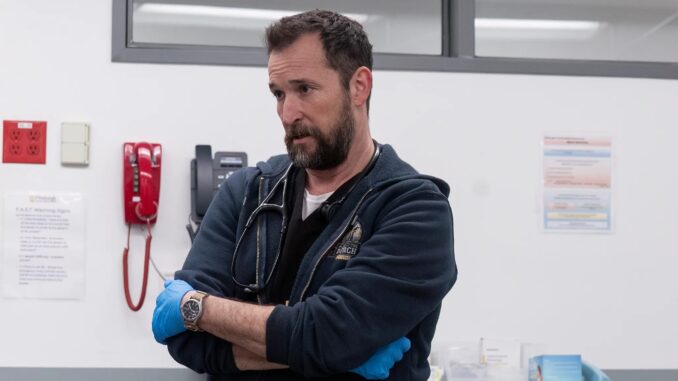
After grueling shifts, life-or-death decisions, and years of putting patients first, Dr. Michael “Robby” Robinavitch may embark on one of his most challenging journeys in the new installment of The Pitt: learning to acknowledge that he, too, needs help.
This is a pivotal turning point for the character played by Noah Wyle. Since his appearance, Robby has always been portrayed as a strong leader – an experienced doctor capable of remaining calm in the most chaotic situations. But behind the image of someone who always saves lives is a man carrying the pressures, traumas, and exhaustion that he rarely shares.
Robby is always the one behind everyone else.
In the harsh environment of the emergency room, Robby is the pillar of support for the entire medical team. When things get chaotic, he’s the one making the decisions. When colleagues struggle, he’s the one encouraging them to keep going.
But it was that very role that made Robby accustomed to hiding his own struggles.
He could recognize danger in a patient in seconds, but struggled to recognize when he himself was overwhelmed.
That’s one of the character’s biggest contradictions: a doctor who spends his life caring for others but doesn’t easily accept that he himself also needs care.
An unseen battle behind the white coat.
The strength of The Pitt lies in the fact that the film doesn’t just tell the stories of hospital cases, but also explores the psychological impact of the medical profession.
For Robby, what he experiences doesn’t disappear after his shift ends.
Every patient lost.
Every difficult decision.
Every moment he has to choose between imperfection.
All of it leaves a mark.
The new installment of The Pitt will likely focus on Robby facing those consequences rather than continuing to pretend he’s okay.
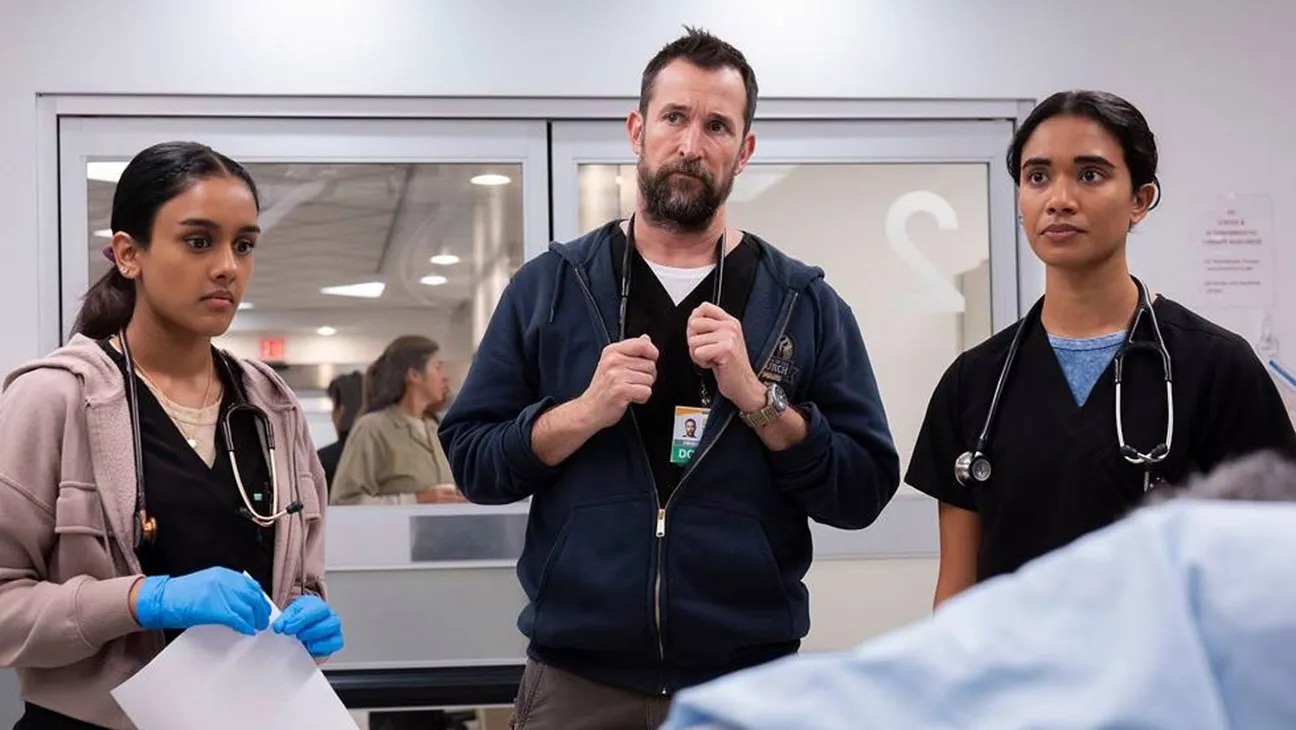
Acknowledging the Need for Help – Robby’s Hardest Step
For someone like Robby, saying “I need help” can be harder than any medical decision.
For years, he’s been accustomed to being a problem solver. He’s trusted by colleagues and relied upon by patients.
But true strength doesn’t always lie in shouldering everything alone.
Robby’s new journey may reveal a more mature side of the character: understanding that seeking support isn’t a sign of weakness, but a necessary part of continuing to do the work he loves.
Colleagues Will Play a Crucial Role
If Robby begins to open up more, those around him will become crucial to this transformation.
His colleagues at Pittsburgh Trauma Medical Center aren’t just co-workers. They understand the pressure Robby is under because they’re fighting in the same environment.
Support from the team can help Robby realize that he doesn’t always need to be the strongest person in the room.
A good team isn’t just built on saving patients together, but also on caring for each other.
A new development for Robby’s character
In many medical dramas, the chief physician is often portrayed as almost invincible. But The Pitt takes a different approach.
Robby is compelling because he’s not perfect.
He has expertise.
He has experience.
He has leadership abilities.
But he also has limitations.
Having Robby admit he needs help makes the character more relatable to the audience. Because even the strongest people sometimes need someone by their side.
The Pitt continues the story of those who save lives
If the new installment explores this journey, Robby’s story will be more than just about a doctor overcoming personal difficulties.
It also carries a larger message about the healthcare industry: those who care for others also need to be cared for.
After all the emergency cases, the alarm bells, and the split-second decisions, Robby will face another challenge:
Not saving a patient.
But learning how to save himself.
And perhaps, that will be one of the hardest challenges in Dr. Michael “Robby” Robinavitch’s career.