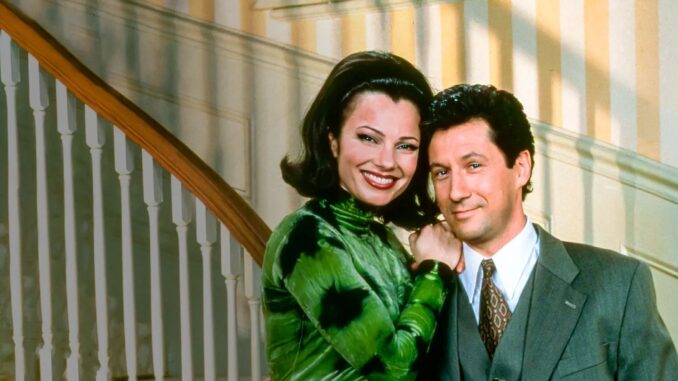
The Nanny is a popular American sitcom centered around Fran Fine, a Jewish woman from Queens, New York, who inadvertently becomes a nanny for three children in the wealthy Sheffield family.
The core story: Fran is dumped by her boyfriend and loses her job. She goes to sell cosmetics at the home of a wealthy theater producer, Maxwell Sheffield. Due to a misunderstanding, she is hired as a nanny for his three children. From there, she enters a life of luxury and changes the entire family.
Although it ended in 1999, the hit sitcom The Nanny continues to be a topic of discussion among fans worldwide. Not only famous for its bold fashion and distinctive humor, the show also attracts attention for the “romantic drama” between the characters – especially the relationship between Fran Fine and Maxwell Sheffield.
From the very first episode, Fran Fine – a girl from Queens – enters the Sheffield mansion in a “fateful twist.” Her relationship with the widowed owner, Maxwell Sheffield, initially purely professional, later becomes the emotional centerpiece of the entire series.
What has sparked debate among fans for years is the way the show plays a tug-of-war between the two: sometimes close, sometimes distant, creating a series of misunderstandings, jealousy, and seemingly endless near-confessions.
Many viewers believe the writers deliberately dragged out the romantic storyline between Fran and Maxwell to maintain its appeal. Throughout the seasons, Maxwell repeatedly expressed his feelings but withdrew at the last minute, leaving Fran caught in a cycle of failed relationships.
This ambiguity created a feeling that was both romantic and frustrating, turning their love story into one of the most controversial elements of 90s sitcoms.
It’s not just Fran and Maxwell; the supporting characters also contribute to the drama. The relationship between butler Niles and assistant C.C. Babcock, which started with bitter verbal sparring, gradually transformed into one of the most famous “enemies-to-lovers” couples in American television.
Their shift from hatred to love surprised and delighted viewers, but also sparked debate due to the excessive bickering in the early stages.
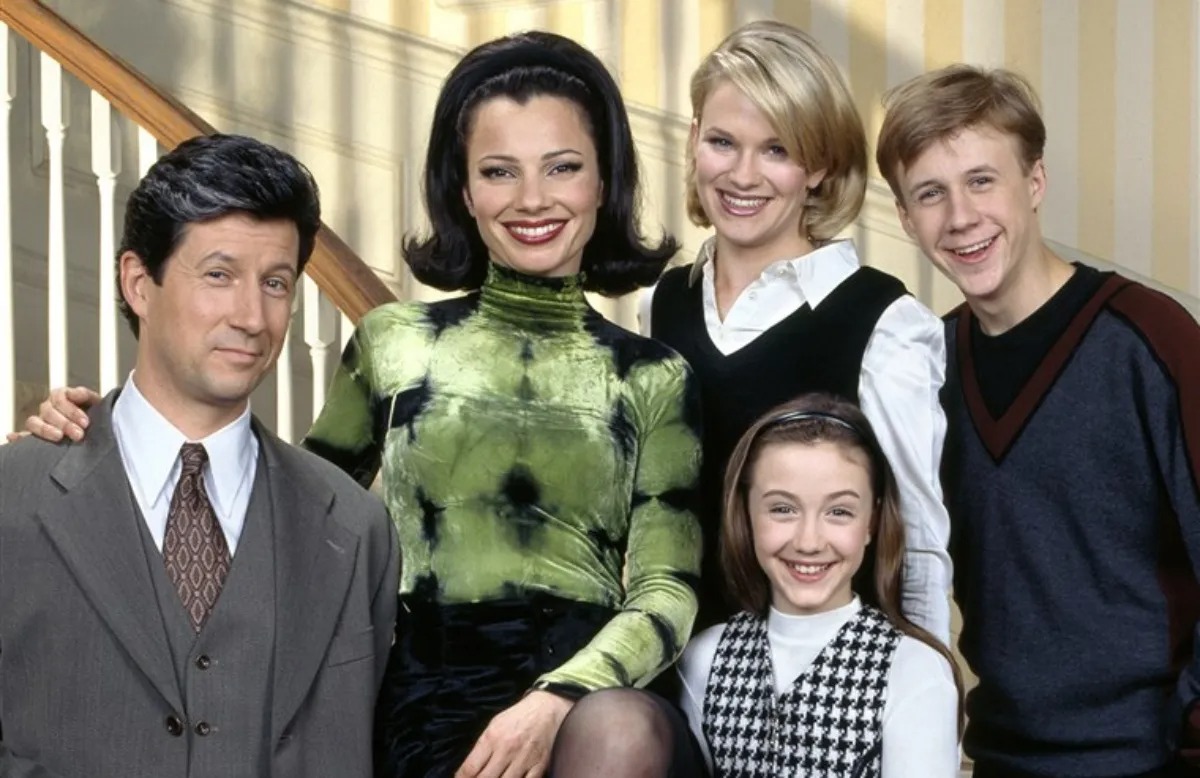
Fran Fine is not only the comedic centerpiece but also a symbol of independence and complex emotions. She yearns for love but is constantly entangled in unfulfilled relationships, creating an image that is both strong and vulnerable.
This is what makes viewers both love and sympathize with her, especially in episodes where she witnesses Maxwell getting close to someone else or denying her true feelings.
Although Fran and Maxwell eventually got together, many fans felt the ending was a “late reward” after so many seasons of emotional tension. However, it was precisely this slow pace that made their story even more memorable in sitcom history.