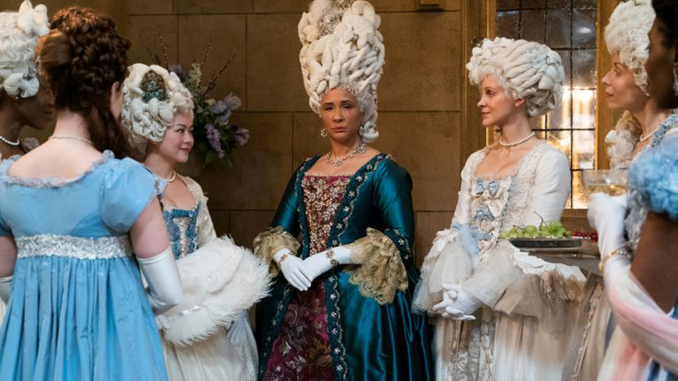
When Shonda Rhimes brought the world of Julia Quinn’s novels to Netflix, few anticipated the cultural tidal wave that would follow. Bridgerton is far more than just a lavish period piece filled with string-quartet covers of pop hits; it is a masterclass in modernizing historical storytelling. By blending the rigid social stratification of the 19th century with a vibrant, inclusive, and unapologetically bold aesthetic, the series has shattered the “stuffy” reputation often associated with Regency-era dramas. It invites audiences into a world where ballroom politics are as high-stakes as political warfare, and where the pursuit of love is tangled in the unforgiving scrutiny of Lady Whistledown’s society papers. In this article, we peel back the layers of silks and scandal to explore why Bridgerton has become a global phenomenon, fundamentally changing how we consume, discuss, and perceive historical fiction in the 21st century.
The Shondaland Effect: Rewriting the Rules of Period Drama
At its core, Bridgerton is a masterclass in modernizing historical storytelling. By stripping away the dust of traditional period pieces, Shonda Rhimes created a genre-bending experience. The show discards the “stuffy” reputation of the 19th century, replacing it with a vibrant, inclusive, and unapologetically bold aesthetic that feels alive.
More Than Just Romance: The Sociology of the Ton
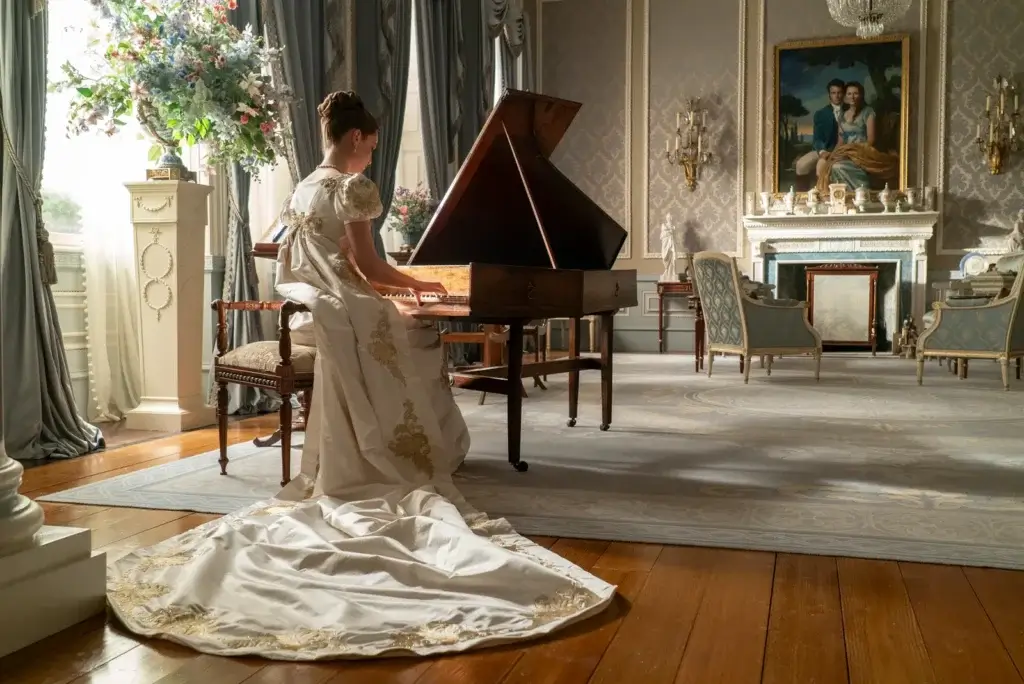
The series functions as a social commentary disguised as a romance. We see how the “Diamond of the Season” trope is used not just as a plot device, but as a metaphor for the immense pressure of societal expectations. Every ball is a political arena, and every conversation is a potential scandal, making the stakes feel incredibly high for the characters involved.
Casting and Inclusion: Building a New Vision of History
One of the show’s most profound impacts is its color-conscious casting. By diversifying the Ton, Bridgerton creates an inclusive fantasy that invites audiences from all walks of life to participate in the narrative. This bold creative choice has set a new standard for how television depicts history, proving that diversity and period-appropriate settings are not mutually exclusive.
The Soundtrack: Bridging Two Centuries
The use of Vitamin String Quartet to cover pop hits is nothing short of genius. This musical bridge allows the audience to connect emotionally with the characters on a modern level while remaining firmly planted in the Regency aesthetic. It creates a rhythm that feels both nostalgic and fresh, perfectly mirroring the show’s overall tone.
Lady Whistledown and the Power of Information
The narrative structure, anchored by the anonymous voice of Lady Whistledown, keeps the audience hooked. By blending “Gossip Girl” style intrigue with high-stakes romantic tension, the show ensures that there is never a dull moment. It forces the characters—and the viewers—to question the power of information and the weight of a secret.
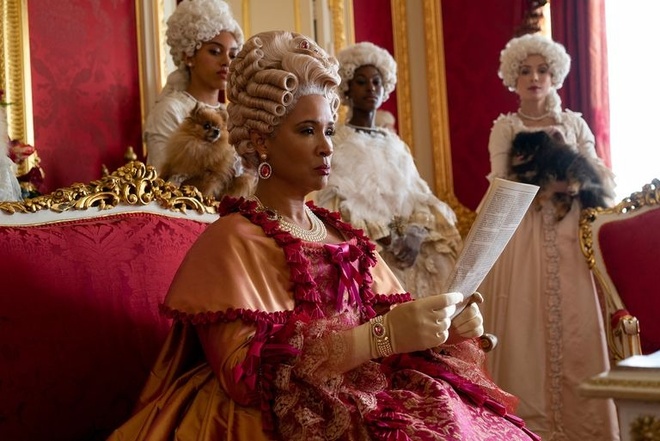
Ultimately, Bridgerton succeeds because it refuses to be confined by the expectations of the genre. It offers a radical reimagining of the past that prioritizes joy, agency, and complex emotional journeys for all its characters, regardless of their station in the Ton. By dismantling the barriers of traditional period drama, the series has created a legacy that transcends television. It has become a cultural touchstone that encourages us to look at history—and ourselves—with a more imaginative lens. Whether you are in it for the grand ballrooms, the scorching romances, or the biting wit of the anonymous narrator, the show proves that the human heart is universal across every century. As we look toward future seasons, one thing remains certain: the Bridgerton world will continue to captivate, surprise, and remind us all that beneath every stiff collar and corset, a burning desire for love remains.