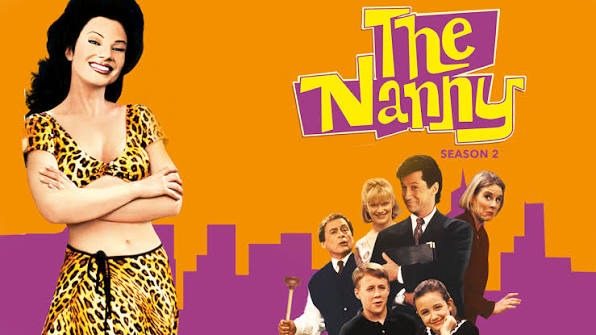
When The Nanny aired, audiences loved the show for its humor, positive energy, and the hilarious situations revolving around Fran Fine and the Sheffield family. With striking costumes, quick wit, and the romantic relationship between Fran and Maxwell, the show seemed like a vibrant world.
But looking back from a modern perspective, some scenes in The Nanny raise an interesting question: Could there be signs of bullying, power imbalance, and an unhealthy work environment behind the laughter?
🎭Fran Fine: A source of joy, but sometimes overlooked
Fran Fine enters the Sheffield family as a nanny. She doesn’t come from a wealthy background, isn’t from the upper class, and doesn’t fit the image of a “professional maid” that the Maxwell family is used to.
🎭This difference creates many humorous situations.
But it was precisely these differences that made Fran a frequent target of comments, judgments, and prejudice.
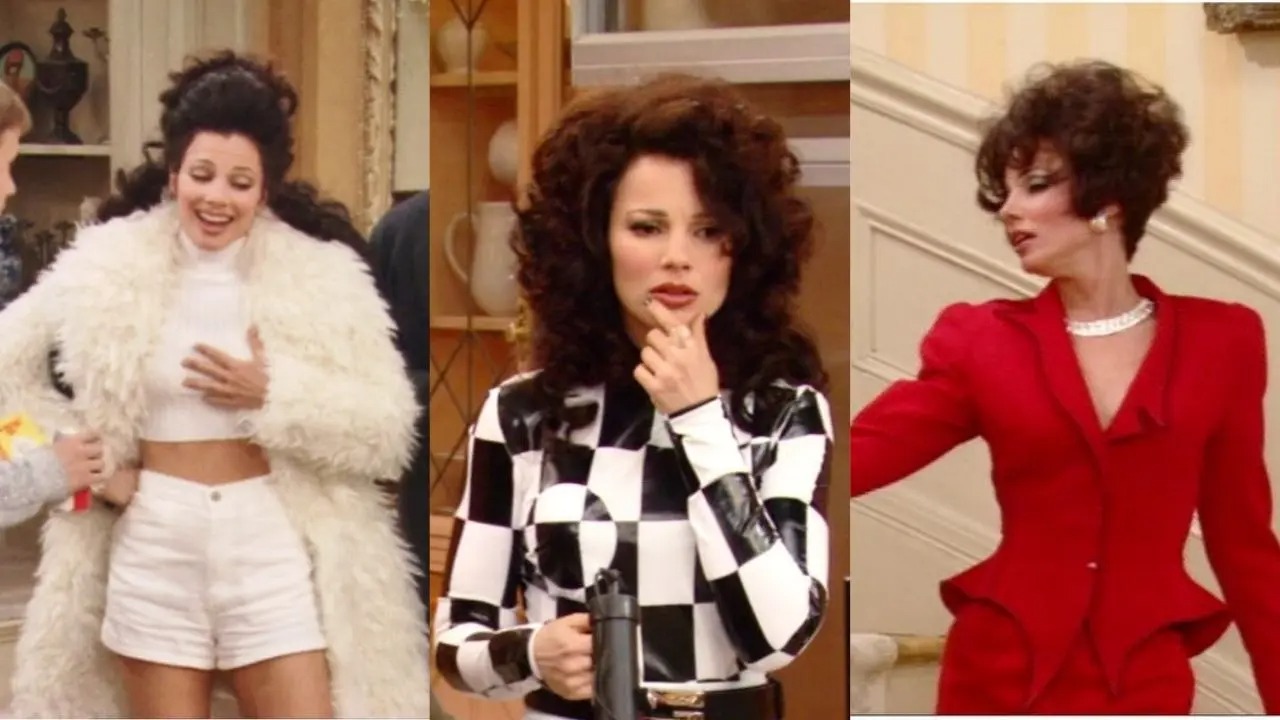
Her clothing style. Her voice. Her family background. Her lifestyle. All of these were once subjects of ridicule.
In the context of a sitcom, these things are considered humorous. However, in a real-world work environment, constantly mocking a colleague for their appearance, background, or personality could be seen as disrespectful.
🎭The Blurred Line Between Humor and Bullying
One of the things that makes The Nanny interesting is the frequent “teasing” between the characters. Fran, Niles, C.C., and Maxwell all have sharp witty exchanges.
But the difference lies in the degree and context. A joke between people who trust each other can generate laughter.
But when someone is constantly put in a vulnerable position, the teasing can become oppressive.
Fran is often the newcomer to Sheffield’s world. She has to adapt to the rules of a wealthy family while proving that she’s not just an outsider.
The relationship between Fran and the Sheffield family also reflects a familiar problem in many workplaces: the power imbalance.
Maxwell is the landlord. Fran is the employee. He has the money, the status, and the power to decide. She needs the job and the opportunity to change her life.
It’s noteworthy that The Nanny often resolves this disparity through the development of affection and mutual respect. Over time, Maxwell realizes that Fran’s value lies not in whether she fits into his world, but in who she truly is.
However, that journey shows Fran had to overcome many obstacles to be recognized as she truly is.
🎭Niles and C.C.: When verbal battles become a toxic habit
It’s impossible to talk about The Nanny without mentioning Niles and C.C. – a pair famous for their relentless verbal sparring.
Their witty banter is one of the show’s greatest sources of humor. Audiences appreciate the wit in their banter.
But if taken out of the context of comedy, an environment where employees constantly engage in personal attacks would hardly be considered healthy.
Interestingly, the film ultimately shows that behind the banter lies genuine care. They understand each other more than they outwardly express.
🎭A Toxic Workplace or a Story of Change?
Calling The Nanny a film about a toxic workplace might be an oversimplification. The film also tells a story of change.
Fran refuses to be looked down upon. She maintains her individuality. She proves that warmth, kindness, and sincerity are just as valuable as status or money.
The Sheffield family also changes because of her presence. They learn to communicate, care, and see people beyond their initial prejudices.
🎭The Legacy of The Nanny from a Modern Perspective
Today, when audiences rewatch The Nanny, they can enjoy the humor while recognizing the issues the film once reflected.
It’s a story about class differences. About how people treat their colleagues. About the line between a joke and hurtful words. And most importantly, it’s the story of a woman who doesn’t let other people’s judgments define her.
Beneath the colorful facade and laughter, The Nanny remains a story about respect, growth, and how one can change an environment that seems unsuitable for them.
And perhaps that’s why the film continues to be remembered by audiences after all these years.