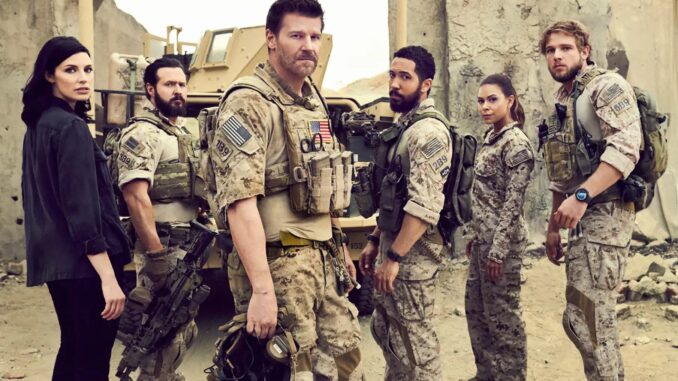
In the world of television, few military series maintain long-term sustainability without losing their identity. SEAL Team is one of the few exceptions. Despite facing the risk of replacing key cast members and even being “pushed” to an online platform, the series overcame the crisis to reach its seventh season – a milestone not every action series achieves.
In recent seasons, SEAL Team has repeatedly caused concern among viewers due to rumors of changes to its main cast. Central characters – synonymous with the Bravo team – have faced the risk of being rewritten or removed from the storyline due to shifts in production direction.
Given rising production costs and pressure on traditional television distribution models, restructuring is almost inevitable for a long-running series like this.
A major turning point for the series was its shift to online streaming after its traditional television broadcast. This was seen as a “survival challenge” for the SEAL Team franchise. Many viewers worried that the platform change would affect the pacing, production quality, or even the authentic military spirit that was the series’ strength.
However, contrary to initial concerns, the shift to streaming gave the series more creative space, allowing for deeper exploration of post-traumatic stress disorder (PTSD), the family life of soldiers, and the life-or-death decisions in modern warfare.
Entering its seventh season, SEAL Team is no longer just a story about special operations missions. The series focuses more on the consequences of war on people – both physically and mentally.
Jason Hayes and Team Bravo continue to be faced with difficult choices: duty or family, loyalty or freedom, survival or sacrifice.
The atmosphere of the new season is more somber, less focused on the “glory of victory,” but more realistic and psychologically intense – in line with the evolving trends of modern military films.
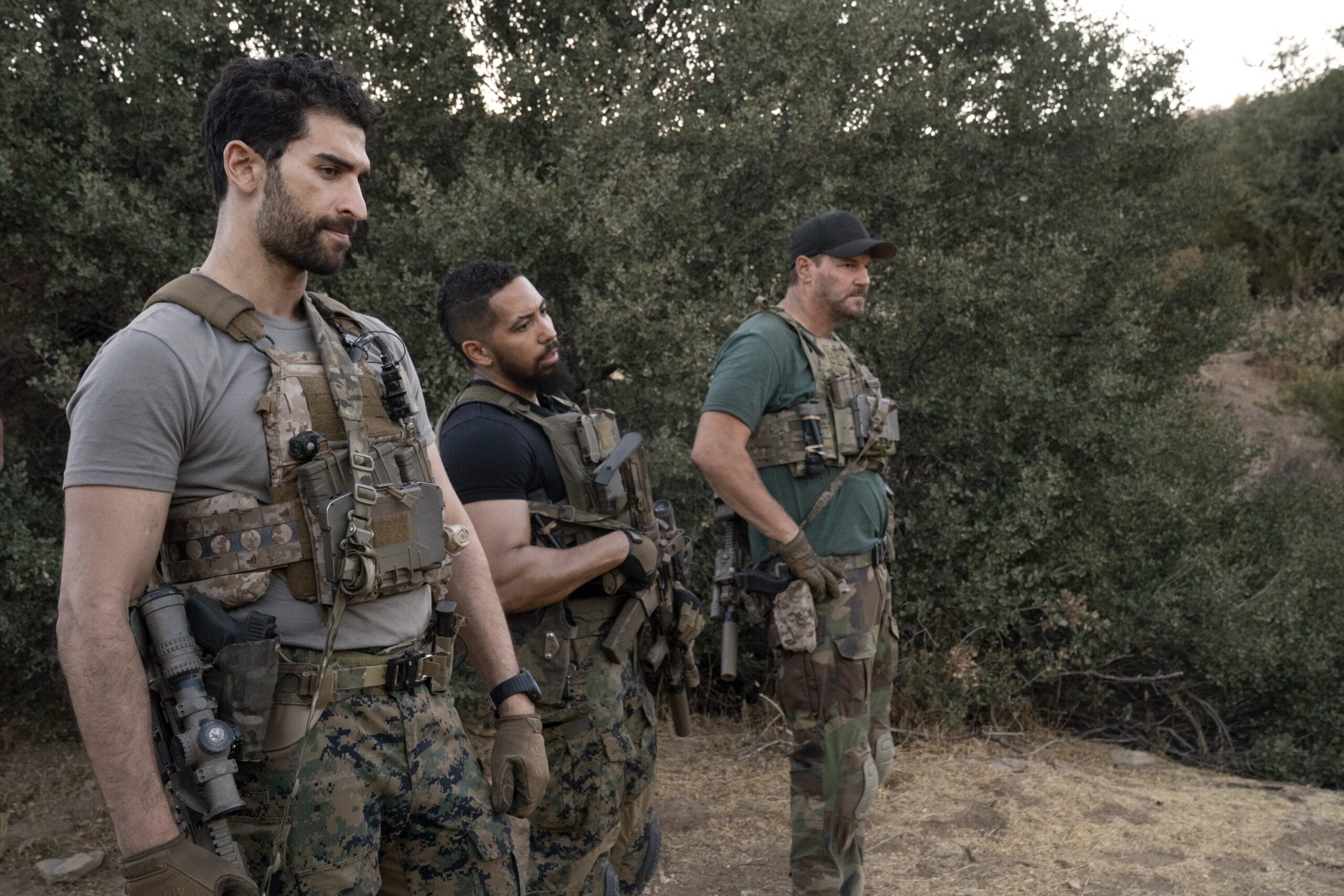
While many other military series were canceled after a few seasons, SEAL Team survived thanks to three key factors: Authenticity in its depiction of combat and special forces training; a deep exploration of human psychology after war; and the enduring audience loyalty to the Bravo team.
More importantly, the series has adapted: from traditional television to streaming, from pure action to profound psychological drama.
Despite facing numerous difficult crossroads, SEAL Team has proven that it’s more than just a simple action series. Season 7 isn’t the end, but rather a new chapter in a long journey about war, loyalty, and the price of being a soldier.
And as long as Bravo’s team continues its mission, viewers will still have a reason to follow along.