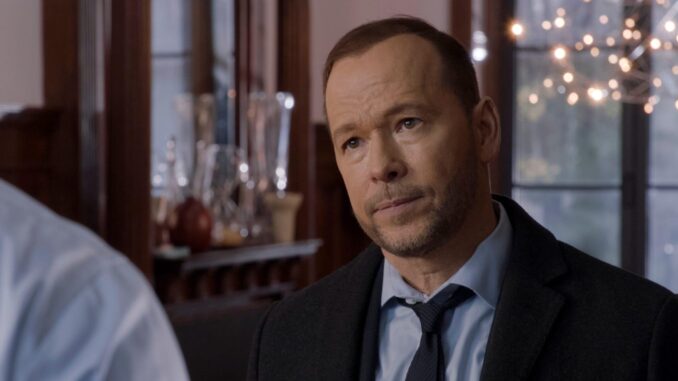
In a series built on discipline and restraint like Blue Bloods, Danny Reagan was never meant to feel safe. He didn’t calm situations down. He escalated them. Not because he lacked control, but because walking away was never an option he allowed himself to consider.
Danny ran toward danger with an intensity that felt almost compulsive. While other characters calculated consequences, Danny acted first and carried the aftermath with him. The show didn’t frame this as heroism. It framed it as a burden — one that accumulated quietly, season after season.
Anger was never Danny’s real flaw. What drove him was loyalty, taken to its extreme. He felt injustice personally, as if every case reopened something unfinished inside him. His reactions weren’t about power or ego. They were about caring too much and refusing to detach.
Unlike many television detectives, Danny didn’t grow cleaner with time. He grew heavier. Trauma followed him home. Relationships bent under the strain. His work bled into every corner of his life, and the show never pretended otherwise.

That’s why viewers didn’t simply admire Danny — they worried about him. There was always a sense that one day, his refusal to step back would cost him something irreparable. That tension lived beneath every scene, turning his presence into an emotional risk the audience felt alongside him.
Loyalty, in Danny’s world, was both weapon and weakness. He crossed lines not out of ignorance, but conviction. He believed some rules stopped mattering when people were hurting. That belief made him effective — and dangerous — often at the same time.
Danny Reagan was never designed to be aspirational. He was written to be recognizable. He embodied the kind of person who feels too deeply, reacts too quickly, and carries regret without ever allowing himself to stop moving.
In a family built on order and tradition, Danny was the emotional outlier. And yet, he was essential. He reminded the audience that justice isn’t only philosophical — sometimes it’s raw, messy, and fueled by emotion, even when that emotion comes at a personal cost.