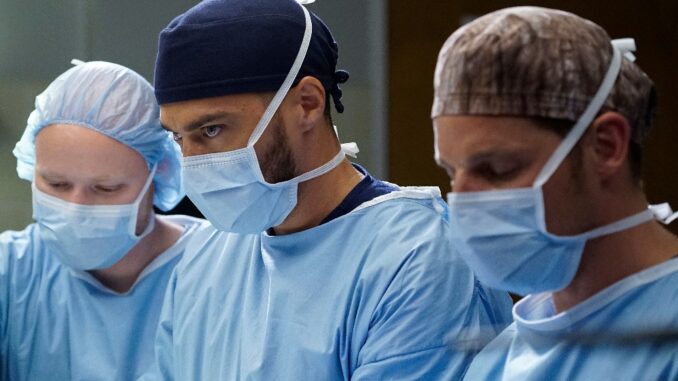
Season 23 chooses to explore the story of a young doctor who makes a mistake that nearly costs a patient their life, which could become one of the most tense and emotionally charged storylines of the season.
The surgery began like any other operation at Grey Sloan Memorial Hospital. The patient was brought into the operating room with the hope of quickly overcoming a complex but manageable procedure.
Under the guidance of seasoned doctors, a young resident was assigned to a crucial part of the surgery for the first time. It was an opportunity to prove his abilities, but also the biggest challenge since donning a white coat.
No one expected that a single wrong decision in a brief moment would jeopardize the entire operation.
Just a few seconds can change everything. An incorrect operation. A missed warning sign. Or a decision made too hastily under pressure. Whatever the cause, the consequences appear almost immediately.
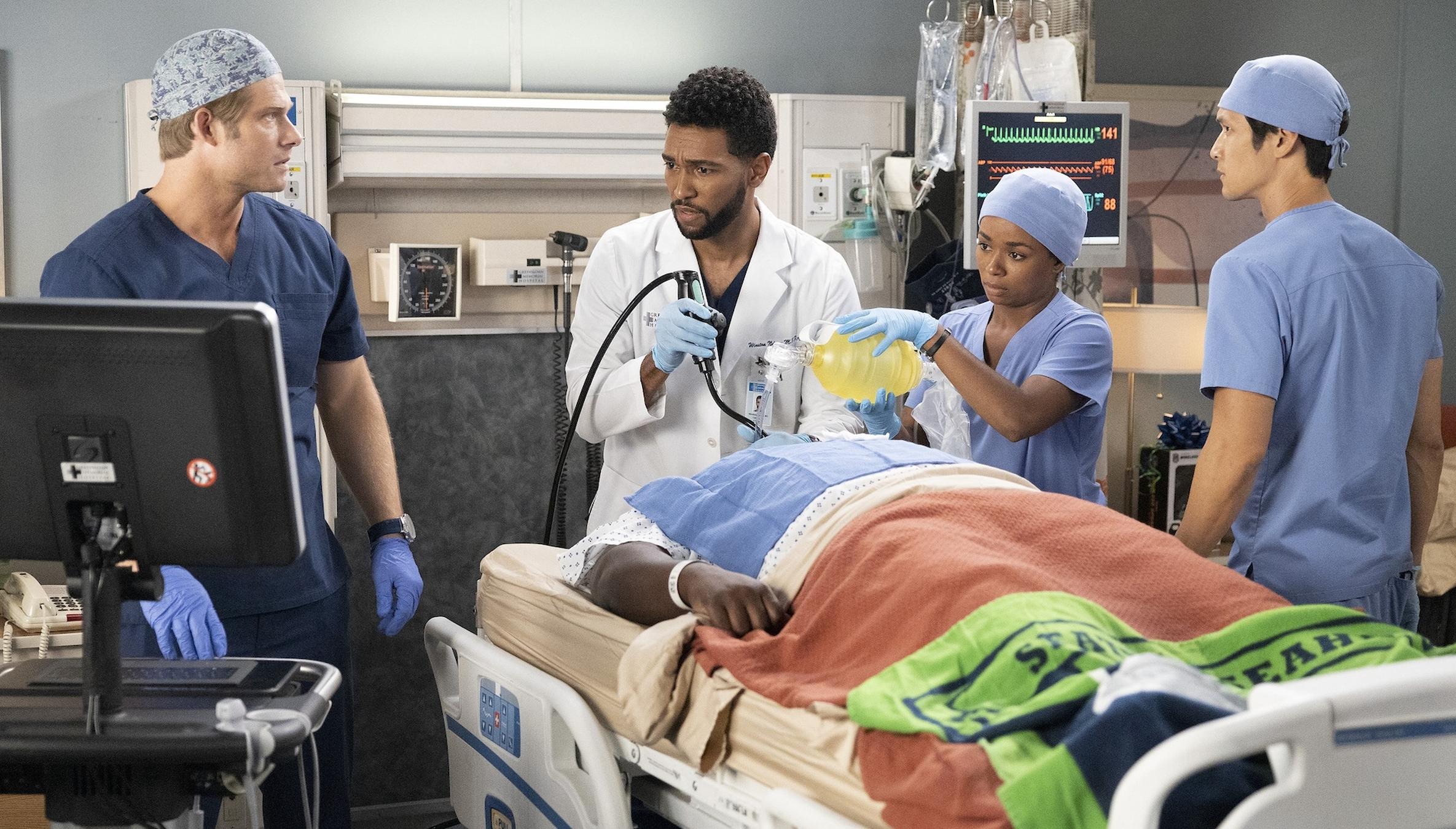
The patient’s vital signs plummeted, and the operating room immediately went into a state of alert. The monitors blared incessantly as senior doctors quickly took over. There was no time to figure out who was right or wrong. All efforts were focused on a single goal: keeping the patient alive.
The entire surgical team immediately changed their plan. Experienced doctors coordinated to handle complications, the anesthesia team adjusted every vital sign, nurses continuously provided support with instruments, and blood was transfused urgently. The atmosphere in the operating room became suffocatingly tense. Every minute that passed was a race against death.
After hours of effort, the patient was finally saved by a hair’s breadth, but the price paid was immense.
The most painful thing wasn’t the reproaches from colleagues, but the guilt of the person who made the mistake. For the first time, the young doctor understood that a decision in the operating room wasn’t just a technical procedure, but a responsibility to the lives of others.
Confidence quickly gave way to anxiety. Was he still capable of standing on the operating table again? Could one mistake erase all previous efforts?
These questions could become a long-lasting psychological burden, forcing the character to confront himself before he could regain his confidence.
The hospital leadership must conduct a comprehensive review of its resident training and supervision processes. Colleagues are also forced to re-evaluate how they guide, assign, and support younger physicians in high-risk cases. These pressures not only affect individuals but could also alter the atmosphere of Grey Sloan Memorial.
It will not just be an episode about a near-failed surgery, but also a story about forgiveness, courage, and the process of rising above mistakes. These painful experiences will contribute to creating better, more resilient, and more empathetic doctors – people who are always ready to enter the operating room with all their knowledge, heart, and belief that every patient deserves another chance at life.