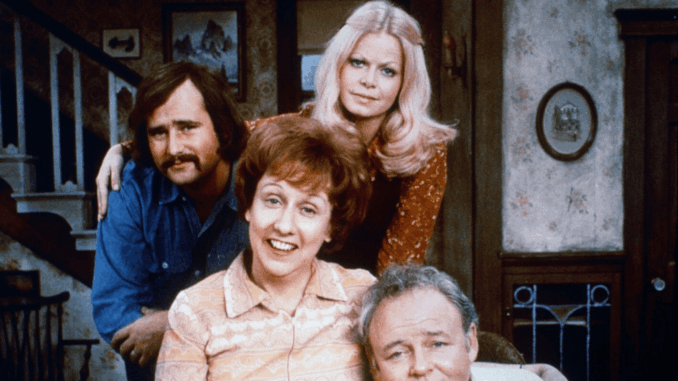
Imagine you’re sitting in your living room in 1977. You’ve got your favorite sitcom on, expecting the usual comfort of a familiar, bickering family. Then, the laughter stops. The tone shifts. Suddenly, the domestic space you thought was safe becomes a place of genuine, visceral terror. That was the experience for millions of viewers when All in the Family aired “Edith’s 50th Birthday.” It wasn’t just another episode; it was a societal earthquake. But why do we still find ourselves dissecting this specific half-hour of television nearly 50 years later?
## The Premise: When Darkness Enters the Bunker Home
The plot seems simple enough on the surface—a classic “surprise party” setup. Edith Bunker, the sweet-natured heart of the show, prepares for her 50th birthday. But while the rest of the family hides next door, waiting to shout “Surprise!”, a predator tricks his way into the Bunker home, posing as a police detective. What follows isn’t a punchline; it’s a harrowing, realistic, and deeply uncomfortable sequence where Edith must fight for her survival.
## Why CBS Almost Pulled the Plug
Before this episode ever hit the airwaves, the network was in a state of panic. Executives weren’t just worried about low ratings; they were terrified of a public backlash. There were rumors of boycotts, private screenings for law enforcement and doctors, and intense internal debates about whether to air it at all. Production even ground to a halt as the team questioned if they were crossing a line that no sitcom had dared to approach.
## The Evolution of the “Very Special Episode”
Before All in the Family, sitcoms were largely escapist. They were tidy, polite, and rarely acknowledged the uglier side of reality. “Edith’s 50th Birthday” broke the mold. By choosing to center this story on Edith—a character who embodied innocence—the writers forced the audience to realize that violence doesn’t discriminate.
## Is the Portrayal Still Relevant Today?
One reason the debate continues is the sheer grit of the storytelling. Some modern critics argue that the depiction of the perpetrator is a bit “Hollywood,” perhaps relying on the trope of a stranger-danger predator rather than the more common reality of acquaintance-based assault. Others praise it for the raw, emotional aftermath—how the show captured the paralyzing fear and the societal victim-blaming that was so prevalent in the late ’70s.
## The Power of Performance: Jean Stapleton’s Masterclass
We have to talk about Jean Stapleton. She brought a level of vulnerability to Edith that made this episode feel devastatingly real. When she finally escapes and collapses into Archie’s arms, it isn’t just acting—it’s an visceral reaction that resonates across decades.
### A Shift in Audience Response
Do you remember hearing about the studio audience’s reaction? It is said that when Edith finally used the burning birthday cake to fight off her attacker, the audience erupted in the loudest cheers in the show’s history. That moment of catharsis is a testament to how deeply invested the audience was in her survival.
## Why the Debate Rages On
People still debate this episode because it forces us to reconcile two different worlds: the lighthearted environment of 1970s television and the brutal reality of sexual assault. Was it “too much” for a comedy? Or was it exactly what America needed to see to start a real conversation?
### The Role of Archie Bunker
Even Archie, usually the caricature of ignorance, undergoes a subtle shift. His fear for Edith, his helplessness, and his anger highlight how even the most stubborn, set-in-his-ways characters are forced to grow when confronted with real-world tragedy.
## The Long-Term Impact on Television
If you look at modern dramas that tackle tough social issues, you can draw a direct line back to this episode. It proved that audiences were capable of handling complexity and that “serious issues” could be part of the primetime conversation.
## Analyzing the “Stranger Danger” Trope
Critics today often point out that the episode frames the attacker as a random stranger. Is that problematic? Does it reinforce the idea that danger always comes from the outside? It’s a point of contention that keeps film students and sociologists talking to this day.
## The Psychological Aftermath
The second half of the episode focuses on Edith’s recovery—or her struggle to recover. It doesn’t sweep the trauma under the rug. It shows the depression, the fear of answering the door, and the friction it causes in the family. That’s the real “controversy”: the show’s refusal to provide an easy, happy ending.
## Comparing “Edith’s 50th” to Other Controversial TV Moments
How does it stack up against Maude’s abortion episodes or other “issue-heavy” sitcom stories? It sits in a league of its own, mainly because it centers on a physical violation rather than a moral or political choice.
## The Expert Consultation Behind the Scenes
Norman Lear didn’t just write this out of thin air. The production team consulted with crisis centers and experts to ensure they were capturing the emotional reality of the situation. Does that effort hold up under modern scrutiny? That’s for you to decide.
## Why We Need These Stories
Perhaps the reason we keep debating it is that we’re still trying to figure out the right way to tell stories about trauma. Can a sitcom be a place for healing? Or should we keep our heavy stories for the six o’clock news?
## The Legacy of the Bunker Home
“Edith’s 50th Birthday” remains a landmark. It’s a snapshot of a moment when television stopped trying to distract us and started trying to challenge us.
## Conclusion: A Turning Point in TV History
“Edith’s 50th Birthday” remains the gold standard for controversial sitcom storytelling. Whether you view it as a brave attempt at social awareness or a dated take on a sensitive issue, you can’t deny its impact. It changed the Bunker family, it changed CBS, and it changed the way we think about the characters who enter our living rooms every week.
## Frequently Asked Questions
1. Was “Edith’s 50th Birthday” actually banned? While it wasn’t technically “banned,” it faced immense pressure and threats of boycotts, and some local stations were extremely hesitant to air it.
2. Why was this episode considered so controversial in 1977? At the time, sexual assault was a taboo topic. Discussing it on a popular, family-oriented comedy show was viewed by many as dangerous and inappropriate.
3. Did Jean Stapleton enjoy filming this episode? Stapleton was a consummate professional, but she recognized the weight of the episode. She and the rest of the cast were committed to treating the subject matter with the gravity it deserved.
4. How did the audience react to the assault scene? The audience was reportedly horrified during the attack but erupted into massive cheers and applause when Edith finally fought back and escaped.
5. Why do critics still debate this episode today? The debate usually centers on whether the episode’s depiction of a “stranger predator” is accurate and how well the show handled the complex psychological aftermath of the event.
This article is a critical reflection on television history and the cultural impact of “All in the Family” as of 2026.
The full story of the most controversial All in the Family episode
This video provides an in-depth look at why the episode was so daring for its time and details the intense behind-the-scenes pressure the production team faced before it aired.