Celebrating LGBTQ+ pride means celebrating all the letters in the acronym, including those representing trans and nonbinary folks. And since its very early days, Grey’s Anatomy has worked to shine a spotlight on those who don’t identify as cisgender, from portraying the complexity of gender-affirming surgery to casting real-life activists in groundbreaking queer roles.
Of course, on-screen representation is just one part of the larger fight to ensure trans and nonbinary people are treated equally in a world that too often shuns their existence. But there’s no question about it: Representation does matter, and the storylines below show just how.
When It Featured a Trans Character at a Time When Few Shows Did
Season 3, episode 7: “Where the Boys Are”
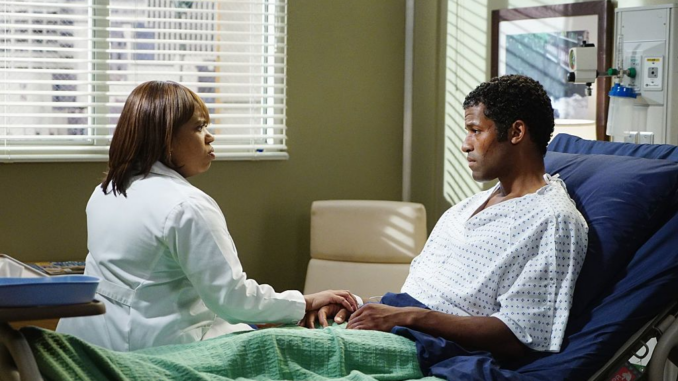
Grey’s was only a few seasons in when it featured its first trans character, a patient named Donna (Alexandra Billings) who came to Grey Sloan for gender-affirming surgery. The groundbreaking storyline — a rarity for network TV back in 2006, and only slightly less so today — was filled with emotional upheavals, from Donna’s devastation upon learning she had surgery-complicating cancer to her wife Vicky’s struggle to accept her partner’s transition.
Recently, Billings revealed that some of the episode’s most moving moments (like Mark taking Donna’s hand to comfort her) came courtesy of the late Eric Dane, who portrayed Dr. Mark Sloan. “He was concerned that the trans story was told from an honest and true place so that other trans people could see themselves reflected in this story,” recalled Billings, adding that Dane showed “what a true ally looks like.”
When It Showcased a Beautiful Young Trans Love Story
Season 9, episode 14: “The Face of Change”
This powerful episode from 2013 revolved around Brian (Rachel Brosnahan, long before The Marvelous Mrs. Maisel), a young trans man in the hospital for breast removal surgery. While much of his screen time focused on his fraught relationship with his unsupportive father, viewers also got to see Brian’s loving romance with the girlfriend he met at a trans support group. Watching Jess stand up for Brian’s autonomy and try to help his dad understand the pain of living in a “mold that doesn’t fit,” it’s impossible not to root for the young couple.
When It Introduced Ben’s Trans Sister Rosalind
Season 11, episode 12: “The Great Pretender”
When Ben and Bailey rushed Ben’s sibling (Benjamin Patterson) to the hospital after they fainted at the start of this episode, it seemed like we were in for a run-of-the-mill Grey’s Anatomy family storyline. Soon, though, it was revealed that the sibling Ben knew as Curtis was actually a trans woman known as Rosalind, and her medical problems were the consequences of taking dangerous off-the-shelf hormones. Shocked and hurt that Rosalind hadn’t ever told him about her gender identity, Ben took the news badly — much to the disappointment of Bailey, who encouraged her husband to support his sister. Sadly, the siblings didn’t make up by the episode’s end, but Rosalind’s welcomed later appearances on Grey’s and Station 19 made it clear that they eventually mended their relationship.
When It Revealed a Brilliant New Doctor Was “a Proud Trans Man”
Season 14, episode 9: “1-800-799-7233”
Like so many others, Krista Vernoff, the showrunner of Grey’s Anatomy at the time, was outraged by Donald Trump’s then-blocked (but unfortunately since enacted) 2017 ban on trans people serving in the armed forces. She decided to transform her anger into advocacy, casting trans actor Alex Blue Davis in the role of Casey Parker, a trans military veteran and whip-smart intern at Grey Sloan Memorial. Casey had numerous big moments in his three seasons on Grey’s, but one of the most powerful was when he revealed his transness to Bailey in this 2018 episode.
For Davis, the scne of Casey calling himself “a proud trans man” was deeply affecting. “I cried at the table read; it was very moving for me,” he told The Hollywood Reporter. “I’ve been waiting for a moment like this on TV my whole life. I am so honored I got to say that line on TV because it’s a long time coming.”
When It Depicted a Revolutionary Change to Gender-Affirming Surgery
Season 14, episodes 12 and 16: “Harder, Better, Faster, Stronger” and “Caught Somewhere in Time”
Just a few episodes later, Grey’s spotlighted a very different trans story when Catherine, Jackson, and Richard performed a cutting-edge vaginoplasty on Catherine’s friend Dr. Michelle Velez (Candis Cayne). A plastic surgeon, Michelle opted to use herself as the trial subject for a potentially huge improvement to the procedure. While Jackson initially balked at doing the surgery, he agreed once Catherine and Meredith reminded him of the heavy mental toll gender dysphoria can cause for trans people. And thankfully, the surgery was a success.
When It Portrayed a Nonbinary Person’s Struggles and Bravery
Season 15, episodes 18 and 24: “Add It Up” and “Drawn to the Blood”
The first time Grey’s featured a nonbinary character was back in 2019 when patient Toby (Arielle Hader) came to the hospital after a snowmobile accident with their mom. Toby’s use of they/them pronouns confused Richard, who struggled with their “unnatural” sound despite reminders from younger colleagues Jackson and Helm. It was a frustrating if realistic look at the misgendering many non-cisgender people deal with on a regular basis.
Toby appeared again over the next few episodes of Grey’s, culminating in an emotional scene when their mom credited Toby’s bravery in coming out as gender queer as inspiration for her to take risks in life. Try not to cry while rewatching that sweet moment!
When It Brought Essential Nonbinary Representation to the Screen
Seasons 18 and 19: Numerous episodes
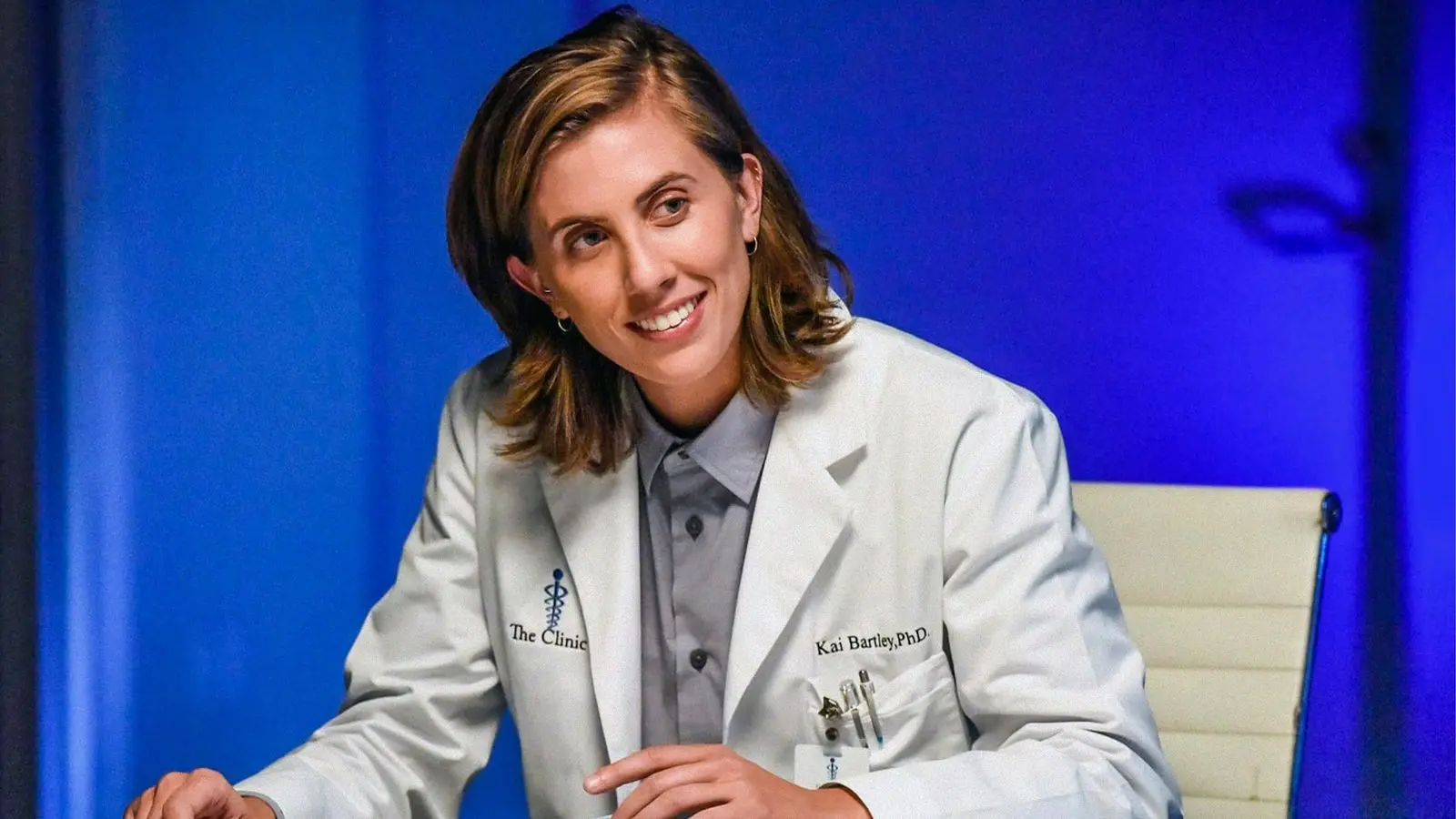
Although Amelia’s romance with Kai Bartley (E.R. Fightmaster) didn’t work out in the long term, the introduction of the neuroscientist had a huge impact on both Grey’s and nonbinary TV representation overall. Over the course of two seasons, Kai’s gender identity was largely treated as simply a fact like any other, far less noteworthy than their intelligence and confidence.
For many LGBTQ+ fans, seeing Kai on-screen — as well as witnessing Amelia open herself up to the wider gender spectrum — was a profound experience. “That episode … made me feel seen in so many ways,” one viewer told Shondaland last year. “It led to all this unlearning and helped me find myself. I know who I am now.”