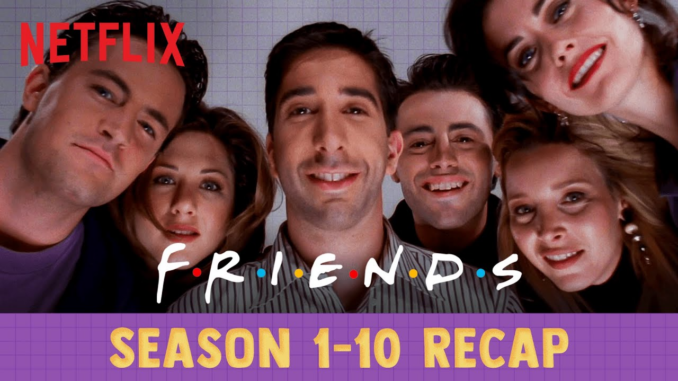
Some television shows are popular. Some become classics. And then there’s Friends. Nearly three decades after its debut, the beloved sitcom continues attracting millions of viewers across the globe. People who have already watched every episode somehow keep returning for more. Some fans have seen entire seasons multiple times. Others leave episodes playing in the background while working, studying, or relaxing.
At first glance, this behavior seems strange.
After all, viewers already know the jokes. They know the storylines. They know exactly what happens next.
So why do they keep watching?
Recent psychological research and media studies offer fascinating insights into this question. The findings reveal that Friends isn’t simply entertaining—it taps into several powerful emotional and psychological mechanisms that make it remarkably difficult to stop watching.
The answer isn’t just nostalgia.
It’s much deeper than that. Let’s explore the surprising science, psychology, and storytelling secrets that explain why Friends remains one of the most addictive television shows ever created.
The Psychology of Comfort Television
Why Familiarity Feels Good
Humans naturally seek familiarity.
Our brains are constantly scanning for threats, uncertainty, and unexpected changes. Familiar experiences reduce that mental workload.
When viewers watch Friends, they already know what will happen.
Instead of processing new information, the brain can relax.
It’s like returning to your favorite coffee shop. You know the menu, the atmosphere, and what to expect.
That predictability creates comfort.
The Brain Loves Safe Entertainment

Unlike intense dramas filled with stress and suspense, Friends offers emotional safety.
Viewers can enjoy the story without worrying about shocking twists or devastating outcomes.
The result?
The brain begins associating the show with relaxation and emotional relief.
Friends Creates the Illusion of Real Friendship
Viewers Feel Connected to the Characters
Psychologists call this a “parasocial relationship.”
It’s the feeling of forming a one-sided friendship with fictional characters.
Over ten seasons, audiences spend hundreds of hours with Rachel, Ross, Monica, Chandler, Joey, and Phoebe.
Eventually, they stop feeling like television characters.
They start feeling like friends.
The Group Dynamic Feels Authentic
One reason the show works so well is its realistic group chemistry.
The characters argue.
They support one another.
They make mistakes.
They grow together.
Those interactions mirror real-life friendships, making viewers emotionally invested.
The Science Behind Rewatching Shows
Why People Rewatch Instead of Finding Something New
Research suggests people often return to familiar content during stressful periods.
Why?
Because familiar entertainment requires less emotional energy.
Watching a new series involves risk.
Will it be good?
Will it be disappointing?
Friends eliminates that uncertainty.
Predictability Reduces Anxiety
Knowing the outcome actually increases enjoyment for many viewers.
Surprisingly, spoilers don’t always ruin entertainment.
Sometimes they enhance it.
The brain enjoys anticipating favorite moments.
Humor That Never Gets Old
Universal Comedy Ages Better
Many sitcoms rely on current events.
Once those references become outdated, the humor fades.
Friends rarely depends on temporary trends.
Instead, it focuses on timeless situations.
Bad dates.
Awkward conversations.
Sibling rivalry.
Workplace embarrassment.
These experiences remain funny regardless of the decade.
Physical Comedy Speaks Every Language
Comedy isn’t always verbal.
The cast excelled at physical humor.
A facial expression.
A reaction shot.
An awkward movement.
These moments work globally because they don’t require cultural context.
The Cast Chemistry Is Nearly Impossible to Replicate
Genuine Chemistry Creates Emotional Investment
You can’t manufacture authentic chemistry.
Either it’s there or it isn’t.
The six main actors developed a natural rhythm that made every interaction believable.
Viewers sensed that authenticity immediately.
Every Character Complements the Others
Think of the group like a perfectly balanced orchestra.
Each personality serves a different purpose.
Remove one character, and the harmony changes.
Together, they create something special.
Friends Offers Escapism Without Complexity

Life Is Complicated Enough
Modern life feels overwhelming.
News cycles move quickly.
Technology never stops demanding attention.
Many viewers crave simplicity.
Friends delivers exactly that.
The Stakes Remain Relatable
The characters face problems that feel manageable.
Romance.
Careers.
Family issues.
Friendship conflicts.
The challenges are significant but not emotionally exhausting.
The Nostalgia Effect Is Real
Memories Influence Enjoyment
Nostalgia isn’t simply remembering the past.
It’s reliving positive emotions associated with the past.
Many viewers first watched Friends during important stages of life.
College.
High school.
Early adulthood.
The show becomes connected to those memories.
Emotional Time Travel
Watching an episode often feels like opening an old photo album.
People don’t just revisit the show.
They revisit a version of themselves.
Friends Feels Like Home
Familiar Locations Create Comfort
Central Perk.
Monica’s apartment.
Joey and Chandler’s apartment.
These locations become emotionally significant.
They feel familiar.
Almost personal.
Viewers Develop Environmental Attachment
Research suggests people can become attached to fictional environments.
The settings feel safe and welcoming.
That’s why returning to them feels satisfying.
The Writing Encourages Repeat Viewing
Layered Jokes Reward Rewatching
Many jokes become funnier the second or third time.
Viewers notice details they missed before.
Background reactions.
Subtle expressions.
Foreshadowing.
The experience evolves with each viewing.
Small Moments Matter
Some of the show’s best moments aren’t major storylines.
They’re tiny interactions between characters.
Those details reward loyal viewers.
Social Media Keeps Friends Alive
Viral Clips Reach New Audiences
Every day, clips from the show circulate online.
A funny scene.
An emotional moment.
A memorable quote.
Social media continually introduces the series to new viewers.
Memes Extend the Show’s Lifespan
Many iconic moments have become internet culture.
As long as people share them, the show remains relevant.
The Show Appeals to Multiple Generations

Different Ages Find Different Meanings
Teenagers relate to uncertainty.
Young adults connect with career struggles.
Older viewers appreciate nostalgia.
The show evolves depending on who’s watching.
Universal Themes Never Expire
Friendship.
Love.
Belonging.
Growth.
These themes remain relevant forever.
Why Streaming Supercharged the Addiction
Binge-Watching Changes Behavior
Streaming platforms removed waiting periods.
Viewers can consume multiple episodes in one sitting.
That increases emotional engagement.
Easy Access Encourages Repeat Viewing
The easier something is to access, the more often people return to it.
Streaming made Friends available anytime.
Research Suggests Friends Functions as Emotional Therapy
Comfort Viewing Helps Reduce Stress
Several media psychology studies suggest familiar television can help people regulate emotions during stressful times.
Viewers often choose comfort shows when they need reassurance.
Emotional Consistency Matters
Unlike unpredictable real life, Friends delivers consistent emotional experiences.
That reliability becomes psychologically rewarding.
The Real Secret Behind Friends’ Addiction
It’s More Than a Sitcom
The biggest revelation from research is simple:
People aren’t just watching a comedy.
They’re revisiting a trusted emotional experience.
Friends Meets Fundamental Human Needs
Connection.
Belonging.
Comfort.
Humor.
Hope.
The show delivers all of them simultaneously.
That’s a rare achievement.
Research reveals that Friends remains addictive because it perfectly combines psychology, storytelling, humor, and emotional comfort. The show creates familiarity, reduces anxiety, strengthens parasocial relationships, and provides viewers with a reliable source of joy during uncertain times. Its unforgettable characters feel like genuine friends, while its timeless themes continue resonating across generations.
More importantly, Friends offers something many people desperately seek in a fast-moving world: comfort. Every episode feels like returning home. Every joke feels familiar. Every character feels like someone you’ve known for years. That’s why viewers continue watching, rewatching, and sharing the series decades after its original premiere. The real secret isn’t just great television—it’s the way the show makes people feel.
FAQs
1. Why do people keep rewatching Friends?
People often rewatch Friends because familiarity provides comfort, reduces stress, and creates a positive emotional experience.
2. Is Friends considered a comfort show?
Yes. Many viewers describe it as one of the world’s most popular comfort shows because of its predictable and uplifting nature.
3. What psychological effect makes Friends addictive?
Parasocial relationships, nostalgia, familiarity, and emotional consistency all contribute to its addictive appeal.
4. Why does Friends attract younger audiences today?
Its themes of friendship, love, and personal growth remain relatable regardless of generation.
5. Can watching familiar shows actually reduce stress?
Research suggests familiar entertainment can help people feel more relaxed because it reduces uncertainty and emotional strain.
Stay tuned for more Friends news, cast updates, behind-the-scenes secrets, fan theories, nostalgic throwbacks, and exclusive features celebrating the sitcom that continues to captivate the world.