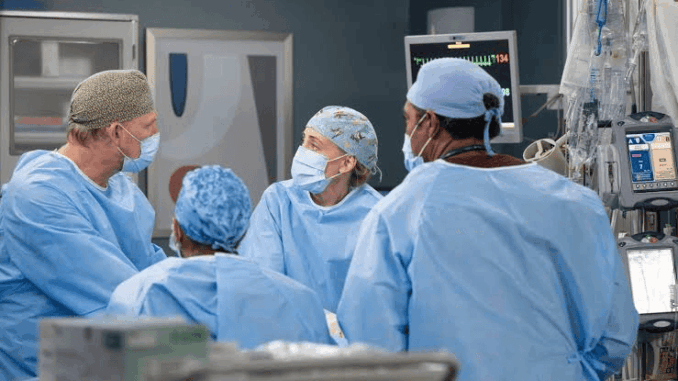
We all know the drill. You settle in on a Thursday night, snacks in hand, ready for the latest medical miracle at Grey Sloan Memorial. But then—bam! A character you’ve grown to love is suddenly, tragically gone. Over the past two decades, Grey’s Anatomy has perfected the art of the tear-jerker exit. Whether it’s a plane crash, a shooting, or a sudden medical anomaly, the show’s writers don’t shy away from permanent goodbyes. But have you ever wondered how the actors feel when they hang up their lab coats for the final time? Recently, the conversation about these exits has turned toward the idea of a “Dead Doctors Club,” a metaphorical space where departed stars share their experiences.
The Emotional Weight of a Screen Death
Walking away from a character you’ve played for years isn’t just a job change; it’s a breakup. Many actors describe their exit from the show as a mourning process. When you spend ten or twelve hours a day in a hospital set, your coworkers become family. When that character dies, the “grief” is real.
Understanding the “Dead Doctors Club” Metaphor
You might remember the iconic “Dead Dads Club” mentioned by Cristina Yang back in season three. It was a raw, honest moment acknowledging the shared pain of losing a father. Now, fans and former cast members are applying that same logic to the revolving door of Grey Sloan. If you’ve been killed off, you’re part of a unique, exclusive, and somber group of performers who know exactly what it’s like to say goodbye in the most dramatic fashion possible.
The Psychological Impact on Cast Members
Actors often talk about “leaving a piece of themselves” behind. When a character is written out through death, there is no chance for a casual return. That finality creates a specific type of emotional residue.
The Fan Perspective: Why We Keep Watching
Why do we love a show that constantly breaks our hearts? It’s simple: we crave the vulnerability. We watch because the show dares to confront mortality, even if it’s through the lens of scripted drama.
The Evolution of Exits in Television
In the early days of television, character exits were often quiet or administrative. Grey’s Anatomy changed the game. It turned the departure of a lead actor into a cultural event, often involving high-stakes drama that keeps fans theorizing for years.
Was the Exit “Necessary” for the Story?
Many fans argue that some deaths felt forced. However, creators often defend these decisions by highlighting the need for stakes. If no one is safe, then every surgery, every emergency, and every crisis matters.
Behind the Scenes: What Really Happens When a Star Leaves?
It’s not always dramatic behind the curtain. In fact, many actors report that their departure was a collaborative discussion. It’s a creative decision aimed at pushing the narrative into a new direction.
The Legacy of the Departed: Remembering the Icons
From George O’Malley to Derek Shepherd, these characters left an indelible mark. Their “deaths” weren’t just plot points; they were milestones in the history of modern television.
How the Show Honors Fallen Characters
Flashbacks, dream sequences, and the occasional “beach” reunion keep these memories alive. The show knows that the fans never truly let go, so they continue to weave the history of these characters into the present-day drama.
Does a Permanent Death Diminish the Character?
Some viewers feel that killing off a fan favorite is a betrayal. Others believe it is the ultimate way to honor a character—giving them a definitive, memorable end rather than a fizzling fade-out.
Are We Expecting Too Much from Our Favorite Shows?
We treat these characters like friends. When they leave, we feel a genuine loss. Perhaps the idea of a “club” for these actors is just a way for us to process our own attachment to the show.
The Future of Grey’s Anatomy: Who is Next?
As long as the hospital doors stay open, the threat of an exit remains. It’s part of the show’s DNA. We brace ourselves every season, wondering who might be next to join the club.

Comparing Grey’s Anatomy to Other Medical Dramas
No other show has mastered the art of the tragic goodbye quite like Grey’s. It set a gold standard for dramatic exits that other shows have tried—and often failed—to replicate.
The Lasting Bond of the Cast
Despite the on-screen deaths, the off-screen bonds remain strong. The “club” isn’t just about the characters; it’s about the people who played them and the lifelong friendships they forged in the trenches of the Seattle Grace set.
Closing the Book on a Character
Ultimately, an exit is just one part of a much larger story. Every doctor who “dies” on the show leaves a legacy that continues to impact the characters who remain.
Conclusion: The Beauty of Saying Goodbye
While we might wish for a world where our favorite doctors lived forever, the reality of Grey’s Anatomy is that their departures are exactly what make the show so unforgettable. The “Dead Doctors Club” is a testament to the fact that their impact doesn’t end with their last scene. As long as we keep talking about them, they aren’t really gone. It’s a cycle of life and loss that keeps us hooked, season after year, waiting to see what happens next.
FAQs
1. Who exactly started the rumor about the “Dead Doctors Club”?
It’s not a formal group, but rather a recurring sentiment expressed by fans and actors alike, drawing a parallel to the famous “Dead Dads Club” mentioned by Cristina Yang. It’s a way to describe the shared experience of being written off the show.
2. Why does Grey’s Anatomy kill off so many popular characters?
The show focuses on the unpredictability of life and medicine. By raising the stakes, the writers ensure that viewers remain emotionally invested in the survival and growth of the remaining characters.
3. Did any actors ask to be killed off?
Yes, some actors have requested a permanent exit to move on to new projects or creative ventures, preferring a definitive end for their character over an open-ended departure.
4. Can a character return after they have been “killed”?
In the world of Grey’s Anatomy, anything is possible! Through hallucinations, flashbacks, or dream sequences (like the beach scenes), actors have returned to the show long after their character’s death.
5. How do the fans usually react to these major character exits?
Fan reactions range from heartbreak and social media campaigns to theories about the future. These moments often spark massive discussions, proving just how much the audience cares about these fictional lives.
This article is for informational purposes and reflects ongoing discussions within the Grey’s Anatomy fan community as of 2026. All opinions are based on public actor interviews and series analysis.