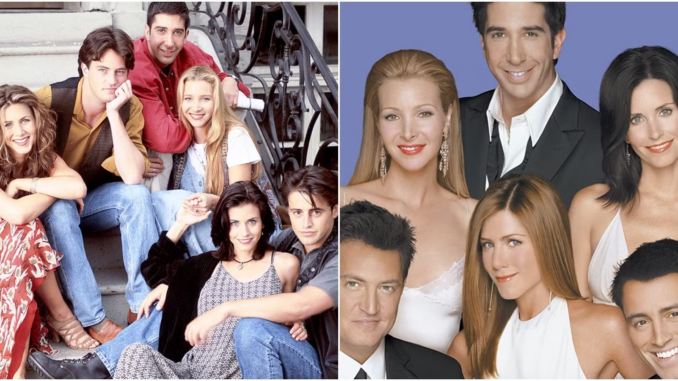
For over a decade, Friends dominated global television, cementing its place as the ultimate comfort show for millions. We all know the iconic fountain intro, the catchy theme song, and the endless laughs shared in Central Perk. However, behind the bright lights of the studio and the roaring laughter of the live audience lay a high-stakes corporate battlefield that almost tore the show apart. In the mid-1990s, television networks held absolute power over actors, often replacing them or paying them vastly unequal salaries to create division. But the cast of Friends chose a path that had never been walked before in Hollywood history. Jennifer, Courteney, Lisa, Matt, Matthew, and David made a secret pact that shocked network executives and forever altered the economics of the entertainment industry. This is the untold story of how six struggling actors revolted against the system, demanding absolute equality to save their friendship and their show.
The Divide-and-Conquer Corporate Trap

When Friends first premiered in 1994, the actors were relative unknowns, each pulling in a modest $22,500 per episode. However, as the show’s popularity skyrocketed, a dangerous disparity began to develop. By the second season, the romantic storyline between Ross and Rachel took center stage, prompting the network to offer David Schwimmer and Jennifer Aniston significantly higher salaries than the rest of the group. In the ruthless entertainment industry of the 90s, this was a standard corporate tactic: pay the breakout stars more, create internal jealousy, and keep the cast divided so they could never form a united front against the network. Most actors would have taken the money and run, but David Schwimmer saw the trap. He knew that the magic of Friends did not belong to just two people; it relied entirely on the perfect chemistry of all six members. If jealousy crept into the locker room, the show would implode from within.
The Historic “All for One, One for All” Pact
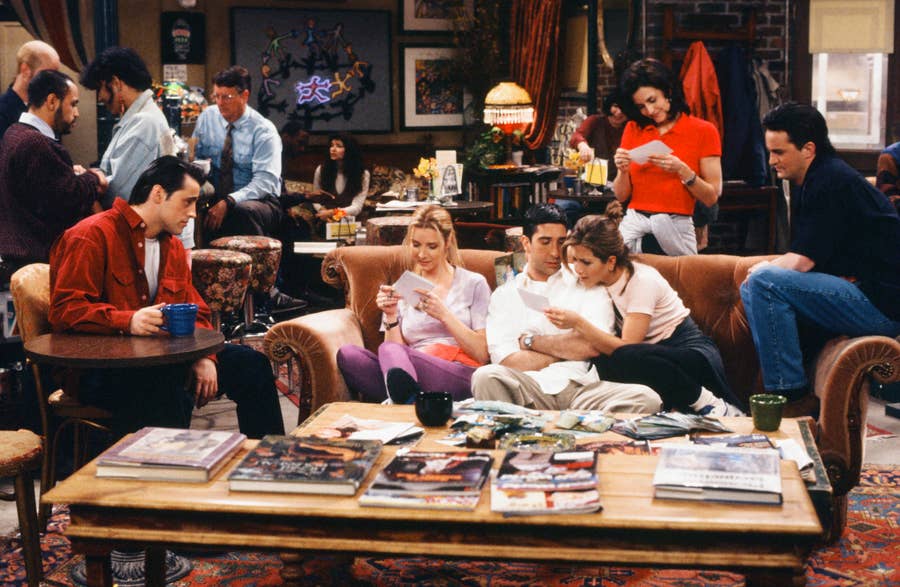
Before the third season negotiations began, Schwimmer approached his co-stars with a revolutionary idea. He suggested that they refuse the network’s unequal offers and demand that all six of them be paid exactly the same amount, using the popularity of Ross and Rachel as leverage to lift everyone else up. It was an incredibly risky gamble. Warner Bros. and NBC were notorious for playing hardball, and they could have easily written off characters or threatened to cancel the show to make an example of them. Yet, the six actors stood like an immovable wall. They made it clear to the executives: either you pay all of us the same, or none of us show up for work.
Shattering Records and Winning the Billion-Dollar War
This collective bargaining strategy completely blindsided the studio executives, who were accustomed to exploiting actors’ individual ambitions. The cast’s solidarity forced the network to cave, resulting in a gradual salary increase that culminated in a historic milestone by Season 10. For the final season, each of the six cast members was paid a staggering $1 million per episode, making Aniston, Cox, and Kudrow the highest-paid women on television at the time.
But the financial revolution did not stop at their weekly paychecks. During these intense negotiations, the cast also demanded syndication royalties—something previously granted only to actors who actually owned a share of their shows. Because they held their ground as a single, unbreakable entity, the studio yielded. Today, Friends continues to generate roughly $1 billion annually in syndication revenue for Warner Bros., and thanks to that historic contract, each cast member still earns an estimated $20 million a year in passive income.
What the public saw as a heartwarming comedy about six twenty-somethings navigating life in New York was actually a masterclass in union solidarity and corporate warfare. By prioritizing their real-life friendship over personal greed, they protected the creative integrity of the sitcom. The lack of resentment behind the scenes allowed their on-screen chemistry to remain flawless, warm, and authentic until the final curtain call. They proved that when artists stand together, they can defeat the greediest corporate machines in modern entertainment history.
Ultimately, the legacy of Friends is defined just as much by what happened behind the cameras as what was broadcast on screen. By refusing to let fame and money divide them, the cast proved that real-world solidarity can conquer the greediest corporate machines. They did not just play a group of fiercely loyal friends; they embodied that loyalty in its purest form when millions of dollars were on the line. Decades later, their historic union remains a masterclass in negotiation and a beautiful testament to the power of collective bargaining in Hollywood. When we watch Rachel, Monica, Phoebe, Joey, Chandler, and Ross today, we are not just watching great acting; we are witnessing the fruits of an unbreakable real-life brotherhood. Their revolutionary stand ensured that the show went out on top, leaving behind a flawless, multi-billion-dollar legacy that will continue to inspire and entertain generations to come.