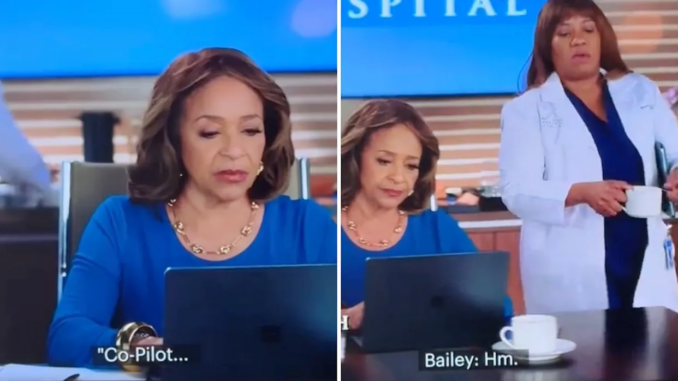
In the scene, a character casually praises AI technology in dialogue that sounded less like natural conversation and more like a corporate sales pitch. The clip quickly spread, and commenters voiced frustration over seeing AI promotion woven into one of television’s most recognizable dramas.
“They have GOT to be joking omg,” one user wrote.
Another added, “I audibly groaned during that part of the episode.”
“The idea of ‘doctors’ using AI is so messed up,” someone else said. “Like you’re supposed to be educated people. Why do you need AI?”
The backlash reflects a broader cultural anxiety surrounding the rapid integration of AI into everyday life, which is often faster than public conversations about its risks, limitations, and long-term consequences.

For many viewers, the discomfort was not just about one line of dialogue. Critics increasingly worry that entertainment is being used to normalize emerging technologies in subtle ways, especially as AI companies race to embed their products into workplaces, schools, health care systems, and creative industries.
For creative workers, those tensions feel especially personal. Writers, actors, artists, musicians, and designers have spent years warning that AI could replace jobs, imitate original work without consent, and fundamentally reshape industries built around human creativity.
The debate extends beyond labor concerns as well. AI systems rely on enormous data centers that consume large amounts of electricity and water, placing additional pressure on energy grids and local communities as demand grows.
As AI becomes increasingly unavoidable in daily life, some people say they are growing tired of what they see as the relentless promotion of the technology across entertainment, advertising, and online platforms.
“That’s so gross,” one commenter wrote.
Public scrutiny around AI transparency has intensified over the past year, particularly in film, television, publishing, and digital media. Audiences are paying closer attention to how AI is discussed, marketed, and integrated into the content they consume.
Many consumers are becoming more intentional about supporting human-made art, independent creators, and businesses that are transparent about how they use AI tools.
Several users said the moment changed how they felt about the show itself.
“This might be the point where I stop watching Grey’s tbh,” one wrote.
Another simply said, “Oh I’m done.”
Whether the scene was commentary, product promotion, or just awkward dialogue, the strong reaction underscores how emotionally charged conversations around AI have become, especially as the technology appears in spaces built around creativity, trust, and human connection.