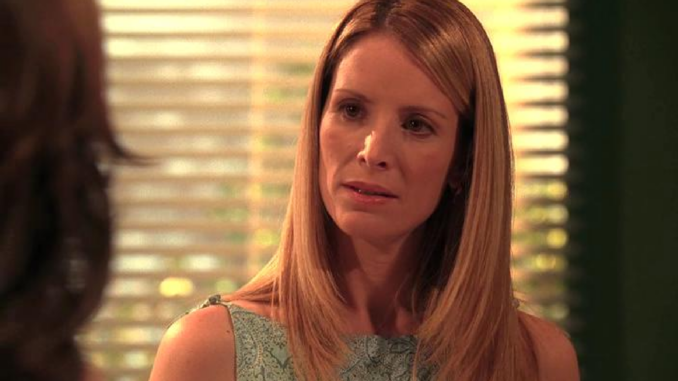
For years, television has seemed increasingly obsessed with intensity. Prestige dramas arrived with darker themes, complicated antiheroes, shocking twists and endings designed to leave viewers stunned. Streaming platforms built entire identities around stories that demanded attention, encouraged endless theorizing and made “What happens next?” feel like the most important question. But in 2026, something different is happening. Viewers are increasingly turning toward television that asks them to slow down rather than stay on edge, and Netflix appears to be leaning directly into that desire. The platform has now openly described a growing “wave of comfort storytelling,” and at the center of that movement sits Virgin River, one of Netflix’s longest-running scripted successes.
Netflix’s recent announcement makes the trend difficult to dismiss as simply another internet buzzword. The company says audiences are gravitating toward stories rooted in connection, optimism and a strong sense of home. Its current lineup includes Virgin River, Sweet Magnolias, Ransom Canyon, My Life With the Walter Boys, Little House on the Prairie and Remarkably Bright Creatures, all of which fit into a broader pattern of heartland-centered entertainment. Netflix reports that these comfort and heartland titles collectively generated more than 1 billion views between 2023 and June 2026. In the first half of 2026 alone, new seasons of Virgin River, Sweet Magnolias and Sullivan’s Crossing, along with Remarkably Bright Creatures, contributed more than 150 million views.
That makes Virgin River particularly important. The series did not suddenly become a comfort show because Netflix decided the category was fashionable. It has essentially been building this identity since its beginning. The fictional Northern California town gives the series a setting where relationships matter as much as plot twists. Mel Monroe arrives searching for a fresh start, Jack Sheridan becomes an emotional anchor, and the community surrounding them gradually becomes just as important as their romance. Even when the show introduces tragedy, conflict or uncertainty, its storytelling repeatedly returns to friendship, family, love and the idea that people can rebuild their lives.
That formula may sound simple, but simplicity has become increasingly valuable in an entertainment landscape where audiences have endless choices. Sometimes viewers do not want another complicated mystery to solve. They do not want to spend an entire evening trying to remember which character betrayed whom three episodes earlier. They want familiar faces, recognizable emotional rhythms and a fictional community that feels comfortable enough to revisit. Virgin River provides exactly that kind of viewing experience.
The numbers suggest that this familiarity is not necessarily a weakness. Netflix says Virgin River has appeared on the Global Top 10 English TV List 34 times since the weekly rankings began in 2021. The platform also reported that its previous seasons collectively generated 54 million views during the first half of 2026. Those figures are especially revealing because they demonstrate that the appeal is not limited to people watching the newest episodes. Viewers continue returning to earlier seasons, suggesting that the show functions as both an ongoing drama and a comfort rewatch.
That distinction is crucial to understanding Netflix’s current strategy. A traditional hit can depend heavily on novelty. A comfort hit can become something different: a place viewers return to. The characters become familiar friends, the setting becomes recognizable, and even the conflicts become part of the emotional rhythm. Viewers know that Virgin River can hurt them, surprise them and occasionally frustrate them, but they also know the series will eventually return to its central themes of connection and community.
Netflix appears to recognize the value of that emotional consistency. In its recent discussion of comfort storytelling, the company specifically described these shows as entertainment people can watch when they want to “unwind” and believe that things might work out. That philosophy helps explain why Virgin River fits so naturally into the strategy. The series is dramatic without being relentlessly bleak. It can explore grief, family problems, relationship complications and personal setbacks while still maintaining an underlying sense of hope.
And that balance may be the secret to its longevity.
A comfort show does not have to be completely conflict-free. In fact, conflict is necessary. Without problems, there would be little reason to keep watching. The difference is what the story does with those problems. In darker prestige television, conflict can sometimes exist to demonstrate how powerless characters are against their circumstances. In comfort television, conflict tends to become a path toward healing, reconciliation or personal growth. The characters may suffer, but the storytelling continues to suggest that relationships can make difficult experiences survivable.
That is one of Virgin River’s defining qualities. The town itself functions almost like another character. Mel and Jack may be at the center, but the emotional world of the series expands through friendships, family connections, neighbors and long-running relationships. The audience is encouraged to care about the community rather than simply wait for the next major plot twist. That creates an unusually strong sense of belonging for a streaming drama.
It also explains why Netflix is expanding beyond one successful series. The company’s current comfort slate increasingly looks like an ecosystem rather than a collection of unrelated projects. Ransom Canyon brings viewers into Texas Hill Country. My Life With the Walter Boys offers ranch life, romance and small-town relationships. Little House on the Prairie returns to an iconic story of family and community. Sweet Magnolias continues its own tradition of friendship and emotional resilience. Netflix is effectively building multiple fictional neighborhoods where audiences can settle in.
The strategy also makes sense internationally. Netflix says more than 20 titles in this comfort-oriented group have appeared in its Global Top 10, with six reaching No. 1. Several have also reached the Top 10 in all 93 countries tracked by Netflix’s global ranking system. That suggests the emotional appeal of these stories can travel even when the specific American settings do not.
There is something universal about wanting to belong somewhere. A viewer may have no connection to a California mountain town, a Texas ranch or a Minnesota prairie community, but the emotions are recognizable. People fall in love, argue with family members, make mistakes, start over, find friends and search for a place where they feel accepted. Comfort television takes those universal experiences and places them inside warm, visually inviting worlds.
Virgin River has become arguably the clearest example because the show has had years to develop that world. Its longevity gives viewers another advantage: emotional investment. When a new character appears, they are entering a community audiences already understand. When an old character returns, the moment carries history. The stakes do not have to be artificially enormous because viewers already care about the people involved.
That may be why Netflix’s comfort era feels less like a temporary trend and more like a correction to streaming’s previous obsession with constant escalation. The platform still produces thrillers, action series, mysteries and darker dramas, but its recent messaging shows that it understands entertainment can serve another purpose. Not every show has to become the next cultural puzzle. Some shows simply need to make people feel at home.
There is also a practical advantage to this kind of storytelling. Comfort shows can encourage viewers to explore older seasons, revisit favorite episodes and move from one related title to another. Netflix’s own viewing data illustrates this behavior: My Life With the Walter Boys saw its first season return to the charts after the release of Season 3, while other heartland titles have maintained visibility across multiple seasons. The audience relationship becomes cumulative rather than dependent entirely on a single new release.

That could make Virgin River more important to Netflix than its popularity alone suggests. It is not merely another successful drama. It represents a type of storytelling the company now appears eager to expand. The series helped demonstrate that viewers could become deeply invested in a fictional community where emotional warmth matters just as much as suspense.
And the timing could hardly be more appropriate. In an entertainment environment overflowing with content, attention has become exhausting. Viewers are constantly being asked to choose the next show, follow the latest twist, keep up with the newest franchise and participate in every online conversation. Comfort television offers an alternative. It says viewers can simply return to a familiar world and spend time with characters they already know.
That is ultimately why Virgin River is leading Netflix’s comfort TV wave. Its success was not built on being the loudest or most shocking series in the catalog. It was built on emotional familiarity. The town feels lived-in, the relationships accumulate history, and the drama repeatedly circles back to the importance of human connection.
Netflix may have given the trend a name in 2026, but Virgin River has been practicing it for years. Now, with the platform actively expanding its lineup of heartland stories and reporting more than a billion views across this broader category, the comfort era looks less like a passing phase and more like a major part of Netflix’s future.
In other words, the next big streaming revolution may not be about making television bigger, darker or more complicated. It may simply be about making it feel like home. And if Netflix’s latest numbers are any indication, viewers are ready to stay awhile.