I’ll never forget the first time I dove into the Twilight Saga. It was one of those nights where the buzz was palpable, and it seemed like the universe was urging me to jump on the bandwagon. Everyone was talking about it—like it was the thing you had to do just to stay relevant. A time when Team Edward and Team Jacob were as hotly debated as Coke vs. Pepsi, and the mere mention of ‘Twilight’ could spark a passionate argument among your friends.
To be honest, I didn’t hate it, but I didn’t love it either. The entire saga left me with mixed feelings, like biting into a chocolate bar and realizing it’s been in the fridge a bit too long—still sweet, but just not quite right.
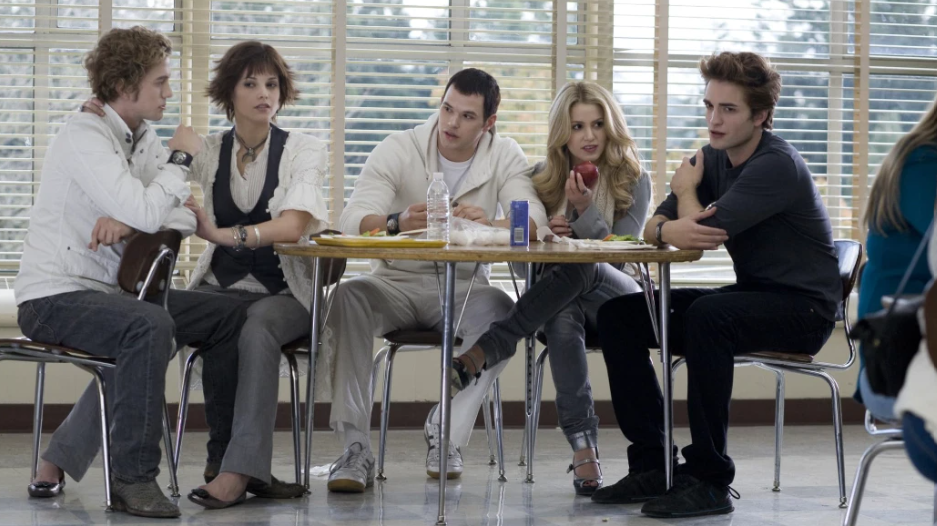
The allure of Twilight was undeniable, sure. It made waves, shaped a generation, and gave rise to a global fanbase. But, if I’m being real, there’s so much about it that simply hasn’t aged well. Here’s why!
The ‘romantic’ triangle: A relationship that didn’t age well
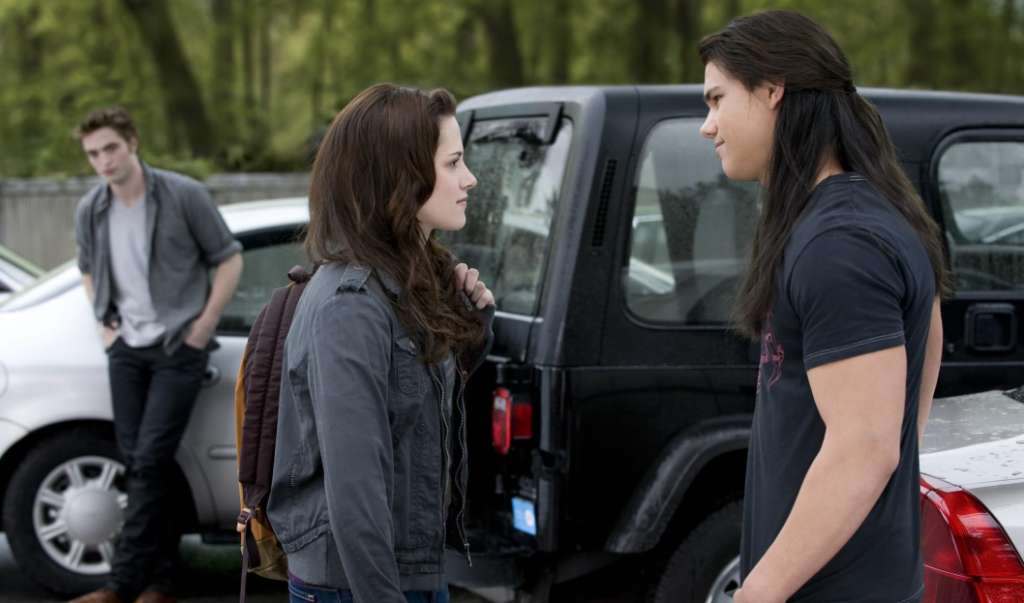
The book series by Stephenie Meyer, which kicked off in 2005, brought readers into a world where vampires, werewolves, and humans coexisted. Bella Swan (Kristen Stewart), the everyday girl caught in a love triangle between the brooding vampire Edward Cullen (Robert Pattinson) and the ever-loyal werewolf Jacob Black (Taylor Lautner), became the subject of much debate.
Summit Entertainment
When I first watched it, I kind of got caught up in the whole ‘Team Edward vs. Team Jacob’ thing. It was fun to pick sides and to feel like I was part of the conversation. But as I rewatched Twilight years later, I couldn’t help but feel a little uncomfortable with how controlling both Edward and Jacob were.
They weren’t the brooding heroes I once thought them to be. Edward can stop a moving car with his bare hands—and hasn’t aged a day since 1918. Now, tell me, how is that romantic? While it captured the hearts of teenage fans back in the day, the dynamics of their relationships today feel more like a red flag factory.
Then there’s Jacob, who forcibly kisses Bella and relentlessly tries to convince her that she belongs with him, ignoring her consent entirely. These aren’t just petty love triangle squabbles—they’re signs of toxic behavior disguised as passion. As romanticized as these relationships were, they’re not the kind of “epic love” anyone should aspire to.
The Vampire Glow-Up Gone Wrong
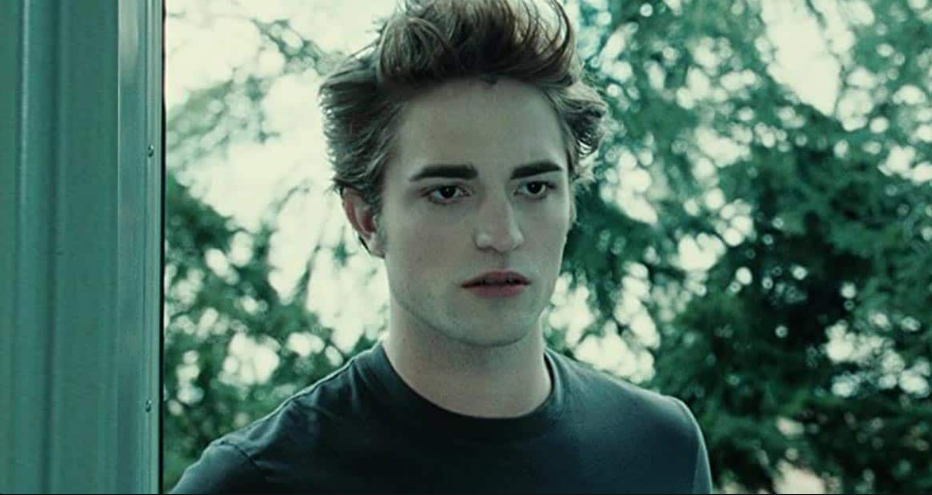
I had high hopes when it came to vampires. I mean, Twilight made these creatures sound so ethereal, so beautiful. And then came the glitter. The pale, chalky, lifeless foundation that made the Cullen family look like they were auditioning for a role in a Halloween horror film. There’s no way around it—those vampires didn’t look mystical; they looked… well, fake.
It’s one of those moments that makes me realize how hard it is to translate fantasy into film. The makeup was so off that I couldn’t help but laugh every time the Cullens flashed their pearly white smiles. It was awkward!
Sure, later films tried to fix it, but by then, the damage was done. It was hard to take the ‘otherworldly’ vampires seriously when their makeup was the elephant in the room.
Wasted potential for deeper stories: We got stuck on Bella & Edward
I think the real missed opportunity was the underdeveloped side characters. It’s not just the main love story that leaves you wanting more—there are several characters in Twilight whose backstories could have been far more captivating than Bella and Edward’s increasingly tiresome drama. The Cullen family, the Volturi, and even Jacob’s werewolf pack all had so much potential for deeper exploration. Instead, they were left to the sidelines while the focus remained squarely on the central love triangle.
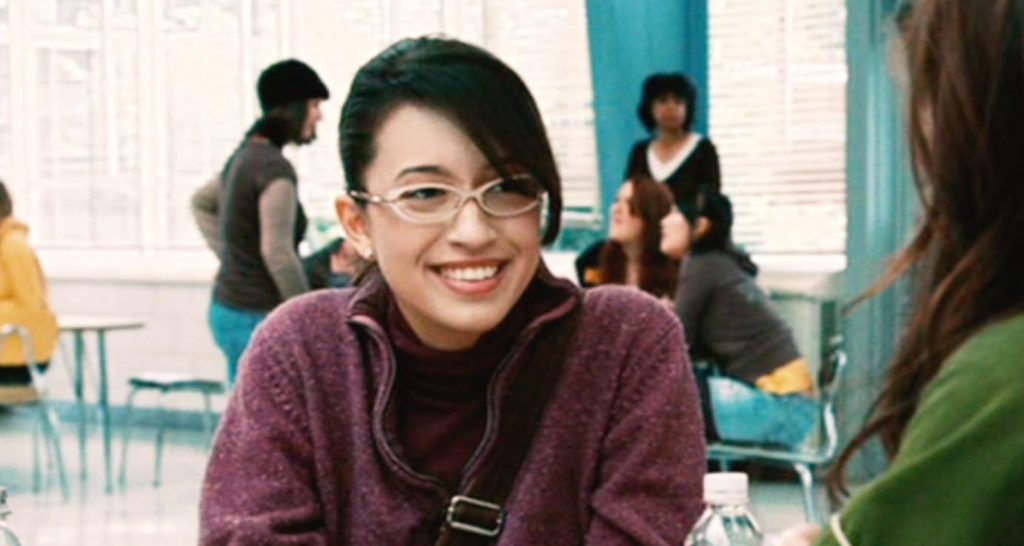
In Breaking Dawn, the introduction of new characters could have been a game-changer, yet they were barely fleshed out.
In my opinion, the story could have been so much stronger if it’d leaned into the world-building if we’d gotten more of the vampire lore and less of the teenage angst. Imagine if Twilight had spent more time on the rich backstories of the vampires and werewolves. That would’ve been fascinating.
Instead, we got endless drama about who Bella should end up with. I felt like I was watching an epic fantasy with the potential to be something so much more, but it was all buried beneath relationship drama that just didn’t hold up in hindsight.
The dialogues that just don’t hold up
I’m not sure which was worse—the dialogue or the delivery. Sure, Twilight had its moments of deep longing and passion, but it was also littered with lines so cheesy, they could have been served with a side of nachos. “This is the skin of a killer, Bella,” Edward says dramatically, his body sparkling in the sun. I mean, come on. The dramatic pauses, the overly serious tones—it all just felt too much, too often.

And then there’s Jacob’s, who said, “Where the hell have you been, loca?” Really? Was this the high point of the dialogue? Looking back, it was cringeworthy, and it’s no surprise that those lines have lived on as memes. At the time, I might have brushed it off, but watching it again, I couldn’t help but laugh… and not in a good way!
Cultural sensitivity: A thin line between inspiration and appropriation
Here’s where Twilight gets real problematic. The portrayal of the Quileute tribe is a glaring example of cultural appropriation. While I didn’t notice it when I was younger, it’s hard to ignore now. The film borrows aspects of Quileute lore and presents them in a way that strips away the richness of the culture, turning it into something exotic and mythical to serve the plot.
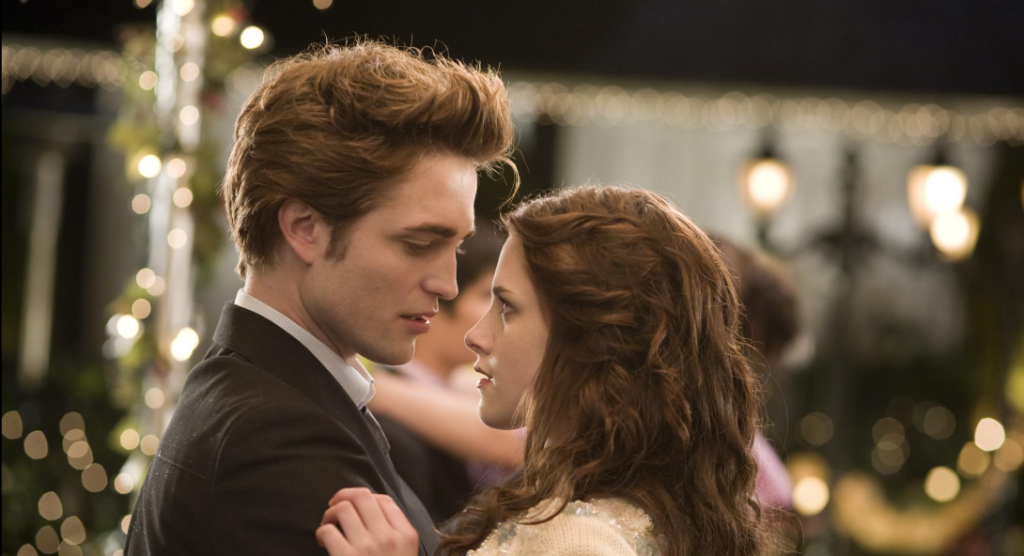
As much as I enjoyed the supernatural element, I couldn’t shake the feeling that Twilight was playing fast and loose with cultural representation, using the tribe’s heritage as a plot device without acknowledging the real-world consequences.
The age-gap relationship that makes me uncomfortable
Okay, this one hit hard. The relationship between Bella and Edward has always had an uncomfortably large age gap—Edward is a century old and Bella is 17. Looking back, it just feels… well, downright creepy. It’s like there’s this weird undercurrent of not okay running through it all that’s hard to ignore.
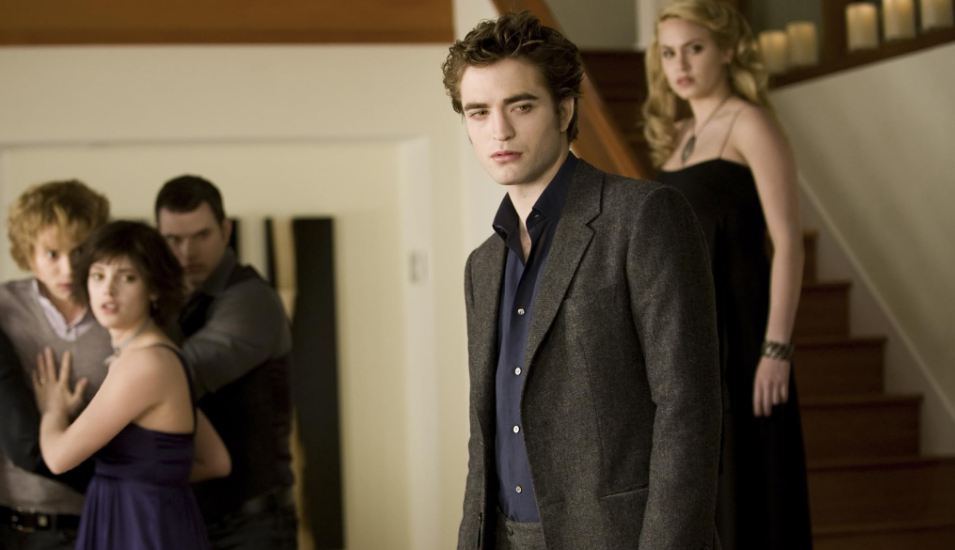
When Bella has an existential crisis about turning 18 (and therefore aging), it’s hard not to cringe. It doesn’t help that by the end of the series, we’re supposed to just accept that her entire future will be spent with a man who’s older than her grandfather. Romantic? Maybe. Ethical? Not so much!
And don’t even get me started on Jacob imprinting on Renesmee. This ‘soulmate’ situation for a child? I mean, sure, they try to frame it as non-romantic at the time, but it’s hard to ignore the very icky implications.
Twilight wasn’t perfect, but it wasn’t all bad either
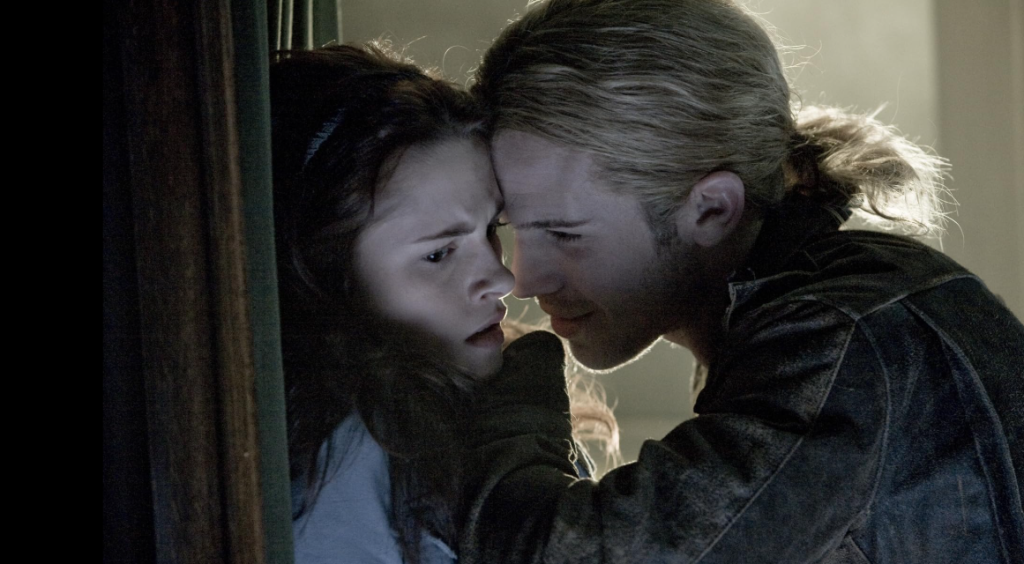
Here’s the thing: I don’t hate Twilight movies. I think it was a product of its time—sure, it had some glaring issues, but it was also a part of the cultural conversation. It gave fans a world to escape into, full of supernatural drama and forbidden romance. But revisiting it now, I can’t help but feel like it’s a series that didn’t age well. The issues are too glaring to ignore, from the unhealthy relationships to the cultural insensitivity.
True, while many of the elements haven’t aged well, the series did something important: it gave a voice to a generation of young readers and moviegoers who were looking for something, anything, that made them feel seen.
Was Twilight that bad? Eh, not really. While it might’ve been a guilty pleasure for many, it’s hard to argue that it’s a poster child for healthy romance or solid character growth. Ergo, no, Twilight wasn’t a complete disaster, but let’s just say it wasn’t exactly a love story for the ages either.