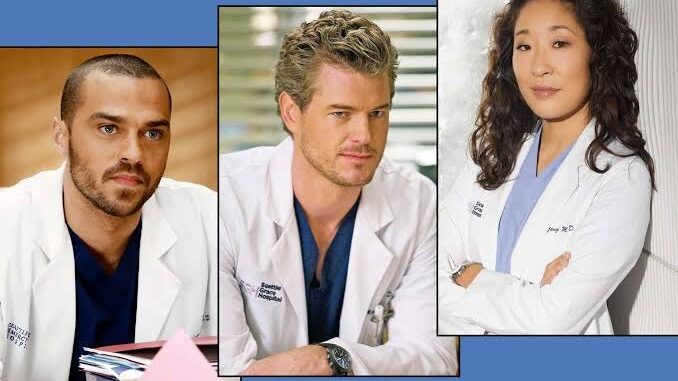
After more than 20 years on air, *Grey’s Anatomy* is renowned not only for its heart-pounding surgeries and emotionally charged relationships but also for its wealth of fascinating behind-the-scenes stories. From elaborately constructed sets to details that often go unnoticed by viewers, here are nine set secrets that every die-hard *Grey’s Anatomy* fan should know.
1. Grey Sloan Memorial Hospital doesn’t exist in real life
Although the exterior shots of the hospital look incredibly authentic, the building featured in the show is actually the Fisher Plaza Center in Seattle—home to a local television station. Most interior scenes, including the ER, operating rooms, and hallways, were built on soundstages in Los Angeles.
2. Operating rooms were designed to mimic real hospitals
The set design team consulted with numerous doctors and medical experts to recreate operating rooms as realistically as possible. Everything from the lighting systems, operating tables, and patient monitors to the medical instruments was arranged to closely resemble a real-world medical environment.
3. Actors received training in basic medical skills
Before filming surgery scenes, the cast was often instructed by medical consultants on how to hold a scalpel, suture wounds, handle instruments, and perform emergency procedures naturally on camera.
4. The blood and organs on screen are all props
The bloody surgeries that make viewers wince are actually created using a mixture of food coloring, gelatin, silicone, and rubber organ models. The makeup and special effects departments spent hours preparing for each major surgery scene.
5. Not every scene was filmed in chronological order
Like many other TV series, *Grey’s Anatomy* often filmed scenes based on the production schedule rather than the narrative sequence. An actor might film a scene where their character says goodbye in the morning, and immediately afterwards shoot a scene that takes place several episodes earlier.
6. Extensive reuse of props
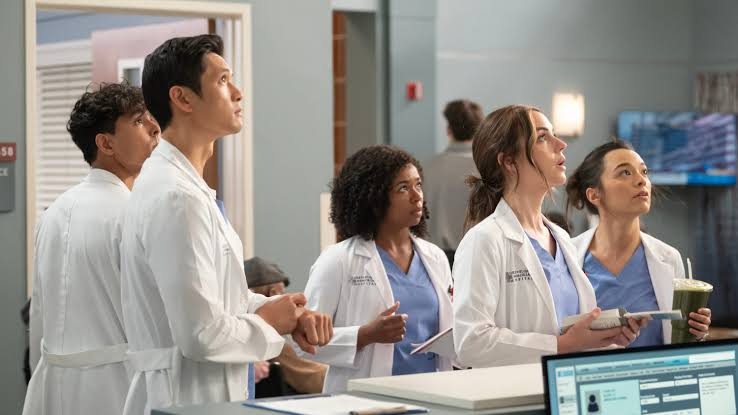
To cut production costs, many hospital rooms, corridors, and exam rooms were modified—changing nameplates, colors, or layouts—to transform them into entirely different locations. Viewers would hardly notice the difference without a very keen eye.
7. Scripts kept secret until the last minute
For episodes featuring major plot twists—such as a character’s death or the surprise return of former cast members—the crew often distributed scripts only right before filming began. Some scenes were even shot in multiple versions to prevent plot leaks.
8. Surgery scenes taking hours to film
A surgery scene lasting just a few minutes on screen could take anywhere from 6 to 10 hours to complete. The production team had to adjust camera angles, lighting, and special effects to ensure authenticity, requiring actors to stand in the simulated operating room all day long.
9. A family spirit behind the camera
Despite numerous cast changes, many *Grey’s Anatomy* stars have maintained close friendships after leaving the show. They frequently reunite, share behind-the-scenes photos, and express gratitude for the time spent working together on one of America’s longest-running television series.
What makes *Grey’s Anatomy* special thanks to these secrets?
One of the factors that has kept audiences hooked on *Grey’s Anatomy* for years is the meticulous attention paid to every behind-the-scenes detail. From set design and makeup effects to actor preparation, every element contributes to an authentic, emotionally resonant atmosphere, making viewers feel as though they are stepping into a real hospital.