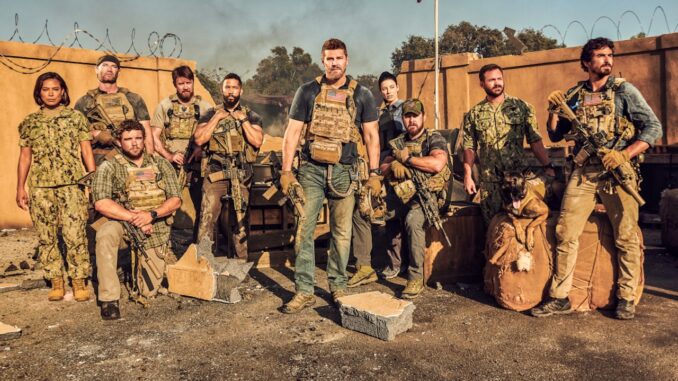
When discussing impactful military dramas of recent years, *SEAL Team* is a title that cannot be overlooked. Beyond its intense action sequences, perilous missions, and special operations, the series captivates audiences by authentically portraying the lives of soldiers within this elite force.
However, what sets *SEAL Team* apart extends beyond the screen. Behind every scene lies a rigorous preparation process, guidance from former special operations personnel, and meticulous attention to detail aimed at achieving the highest level of realism.
The reality behind the on-screen soldiers
At the heart of *SEAL Team* is Bravo Team—a special operations unit constantly facing extremely dangerous missions. Yet, the show does not focus solely on combat. What makes the story unique is its exploration of life beyond the uniform: the mental strain, sacrifices, family dynamics, and the personal toll exacted by this line of work.
Characters such as Jason Hayes, David “Sonny” Quinn, Ray Perry, Omar Hamza, and others are not portrayed as invincible heroes. They harbor fears, make mistakes, and bear both physical and psychological scars. It is this very imperfection that makes them relatable and reflects the reality faced by those who have served in special operations forces.
Military advisors enhance authenticity
A key factor in the success of *SEAL Team* is the involvement of individuals with real-world military experience. Technical advisors assist the production team in refining everything from movement, equipment usage, and mission communication to tactical procedures. Small details—such as how a special ops team enters a room, their use of hand signals, or their reactions in dangerous situations—are all crafted based on meticulous observation and research.
For the actors, the role involves far more than just memorizing lines or performing in front of the camera; they must undergo physical training, learn to operate equipment, familiarize themselves with combat environments, and grasp the mindset of real-life soldiers.
David Boreanaz and the journey to embodying Jason Hayes
As Jason Hayes—the leader of Bravo Team—David Boreanaz portrays a commander who is both formidable and deeply vulnerable.
Jason is a man who prioritizes the mission and his team above all else, yet beneath his tough exterior lies someone grappling with loss and the weight of relentless pressure. He is frequently forced to make decisions where there is no clearly “right” choice.
To bring this character to life, Boreanaz relied on more than just acting skills; he dedicated significant time to understanding the psychology of special operations soldiers. The goal was not merely to look the part, but to truly understand the mindset of someone accustomed to an environment where every decision can be a matter of life and death.
Elaborately crafted action sequences
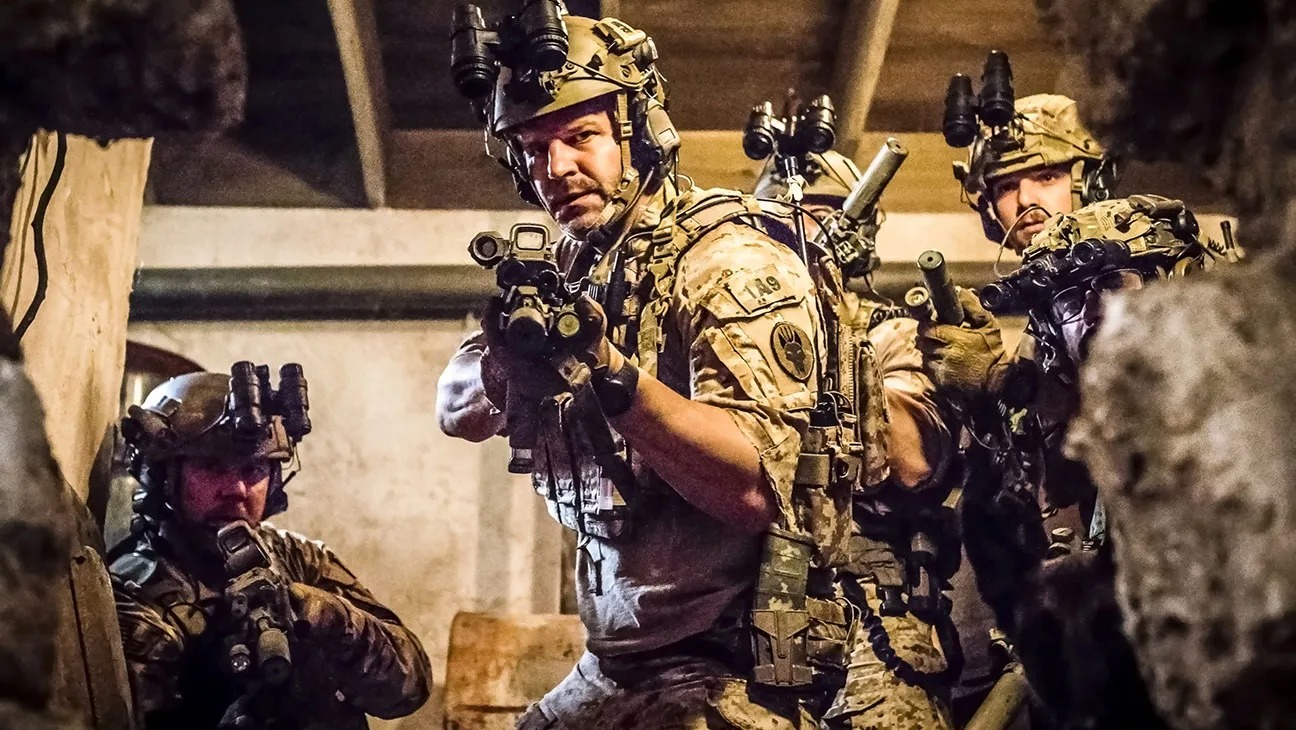
The missions in *SEAL Team* often make the audience feel as though they are witnessing a real-life operation. Achieving this level of authenticity required significant investment from the production team.
From night raids and close-quarters combat to sequences set at sea or in harsh environments, every scene demanded close coordination between the actors, action directors, technical crews, and expert consultants.
The actors frequently performed their own stunts rather than relying entirely on special effects. This lends the action sequences a sense of weight and tension, making them feel far more realistic.
The series does not shy away from the darker side of the profession
One of the reasons *SEAL Team* is highly acclaimed is that it refuses to portray warfare as a simple adventure.
Beyond moments of victory, the show explores the lasting impact of these missions. Soldiers may complete their objectives, but they must still carry the memories of what they have witnessed.
Issues such as Post-Traumatic Stress Disorder (PTSD), the struggle to reintegrate into civilian life, estrangement from family, and the sense of loss are all treated with seriousness and depth.
This helps the audience understand that true courage lies not only in venturing into danger but also in continuing to live after such experiences.
Camaraderie – the heart of *SEAL Team*
Despite the spectacular combat sequences, the most vital element of *SEAL Team* is the brotherhood shared by the members of Bravo Team.
They trust one another with their lives, understanding that no one gets left behind during a mission. Yet, away from the battlefield, they are ordinary people who share joys, sorrows, and personal stories.
It is this bond that fosters a deep connection between the audience and the characters. Viewers are not only concerned with whether the team completes its mission but also deeply invested in the sacrifices required to achieve that goal.
A show’s legacy extends far beyond its action sequences.
*SEAL Team* succeeds not merely because of its gripping combat scenes; it distinguishes itself through its profound respect for those currently serving—and those who have served—in special operations forces.
Through the stories of Bravo Team, audiences gain a different perspective on the soldier: they are not just formidable warriors, but also sons, fathers, and husbands—individuals striving to balance the demands of duty with their personal lives.
Behind every authentic scene lie hours of research, training, and the collective dedication of the entire team. It is this commitment that has made *SEAL Team* a beloved military series—cherished not only for its high-stakes drama but also for its powerful messages regarding loyalty, sacrifice, and camaraderie.
Ultimately, what makes *SEAL Team* truly memorable is not just the perilous missions Bravo Team faces, but the human beings behind the uniforms—individuals who fight, sacrifice, and return home with stories that can never be fully told.