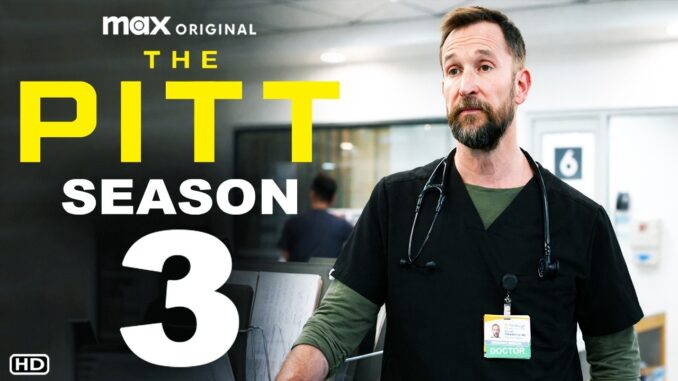
Fans of The Pitt have another reason to celebrate as HBO Max officially confirmed the hit medical drama will return for a third season. The renewal decision was made before season 2 aired, demonstrating the platform’s strong belief in one of the most prominent television series currently airing.
Following the success of its first season, The Pitt quickly became a phenomenon in the medical drama genre thanks to its realistic storytelling, tense pace, and humanistic perspective on those working in the emergency room. The continued investment in season 3 confirms that the story of the doctors at Pittsburgh Trauma Medical Center still has much to explore.
A major victory for modern medical dramas
For years, medical dramas have been a familiar genre on television. However, The Pitt differentiates itself by avoiding portraying doctors as perfect characters who always have the right answers.
The film focuses on people working under the most intense pressure:
Non-stop emergency cases.
Decisions that must be made in seconds.
Patients whose outcomes aren’t always positive.
Medical staff who must persevere despite their exhaustion.
This authenticity is what has earned The Pitt strong empathy from audiences and those in the medical field.
Noah Wyle continues to lead Dr. Robby’s journey.
The central figure in The Pitt remains Dr. Michael “Robby” Robinavitch, played by Noah Wyle.
This is a character with many layers of emotion.
Robby is an experienced doctor, a leader trusted by his colleagues. But behind that calm and professional exterior lies a man facing very real pressures.
He must make decisions that affect the lives of others.
He must confront inevitable failures.
And he also had to learn how to take care of himself.
It is this imperfection that makes Robby one of the most memorable doctor characters in modern television.
Why is HBO Max putting its faith in season 3?
The early extension for season 3 not only reflects the success in terms of audience numbers, but also shows that The Pitt has found his own path in a genre with many competitors.
The show is not just about saving patients’ lives.
It’s about the mental cost of saving lives.
A doctor may save dozens of patients in a single shift, but still carry the memories of those they couldn’t save.
A nurse may always appear strong in front of colleagues, but still face fatigue and pressure.
A hospital can be a place of hope, but also a place where people must confront loss.
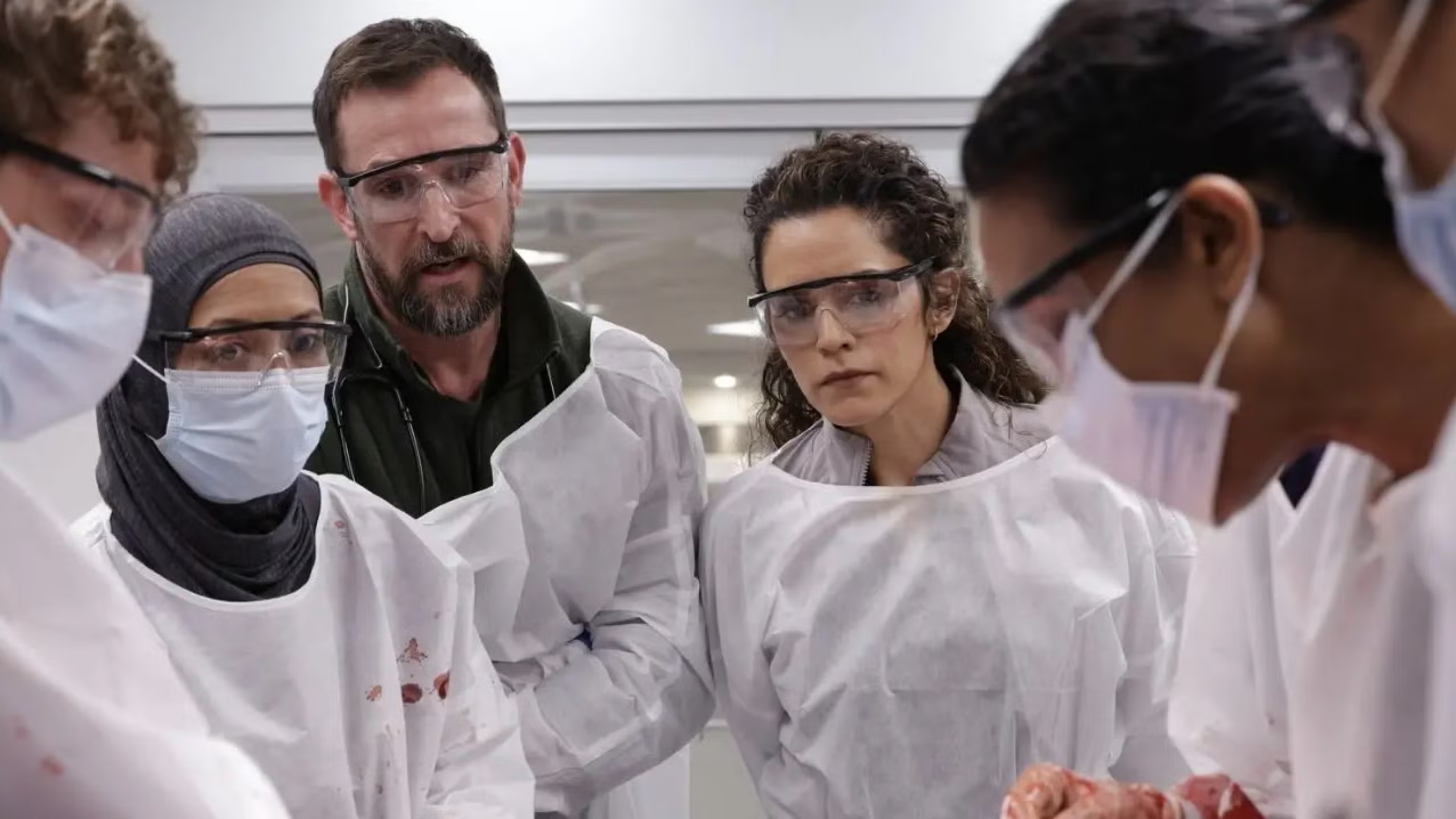
Season 3 will continue to expand the story.
Initial information suggests that season 3 will continue the series’ signature storytelling style, focusing on a stressful workday in the hospital with new medical situations and personal conflicts. The season is expected to see the return of Noah Wyle along with many familiar faces.
A notable point is that season 3 is expected to delve deeper into Robby’s personal journey. After years of caring for others, the big question is:
Who will care for those who are always on the front lines?
This theme promises to offer a new perspective on medical professionals – those often seen as saviors, but who also need care and healing.
The appeal of “The Pitt” lies in its humanity.
What sets The Pitt apart isn’t just the intense emergency scenes.
It’s how the show reveals the people behind the job.
Doctors aren’t machines.
They have fears.
They have limitations.
They have moments of self-doubt.
But they still walk into the hospital every day and try to do the best they can.
That’s why the audience isn’t just interested in whether the patients are saved.
They’re interested in the people trying to save them.
A promising future
After making a strong impression with its first season, The Pitt is proving that the medical drama genre still has a lot of potential if told from a fresh perspective.
Season 3 is not just a continuation of a successful series.
It’s an opportunity for the show to continue exploring stories of courage, sacrifice, and human strength in the most difficult circumstances.
Because in the world of The Pitt, heroes aren’t always the winners of every battle.
Sometimes, they’re just the people who keep walking into the emergency room the next day – and keep trying to save another life.